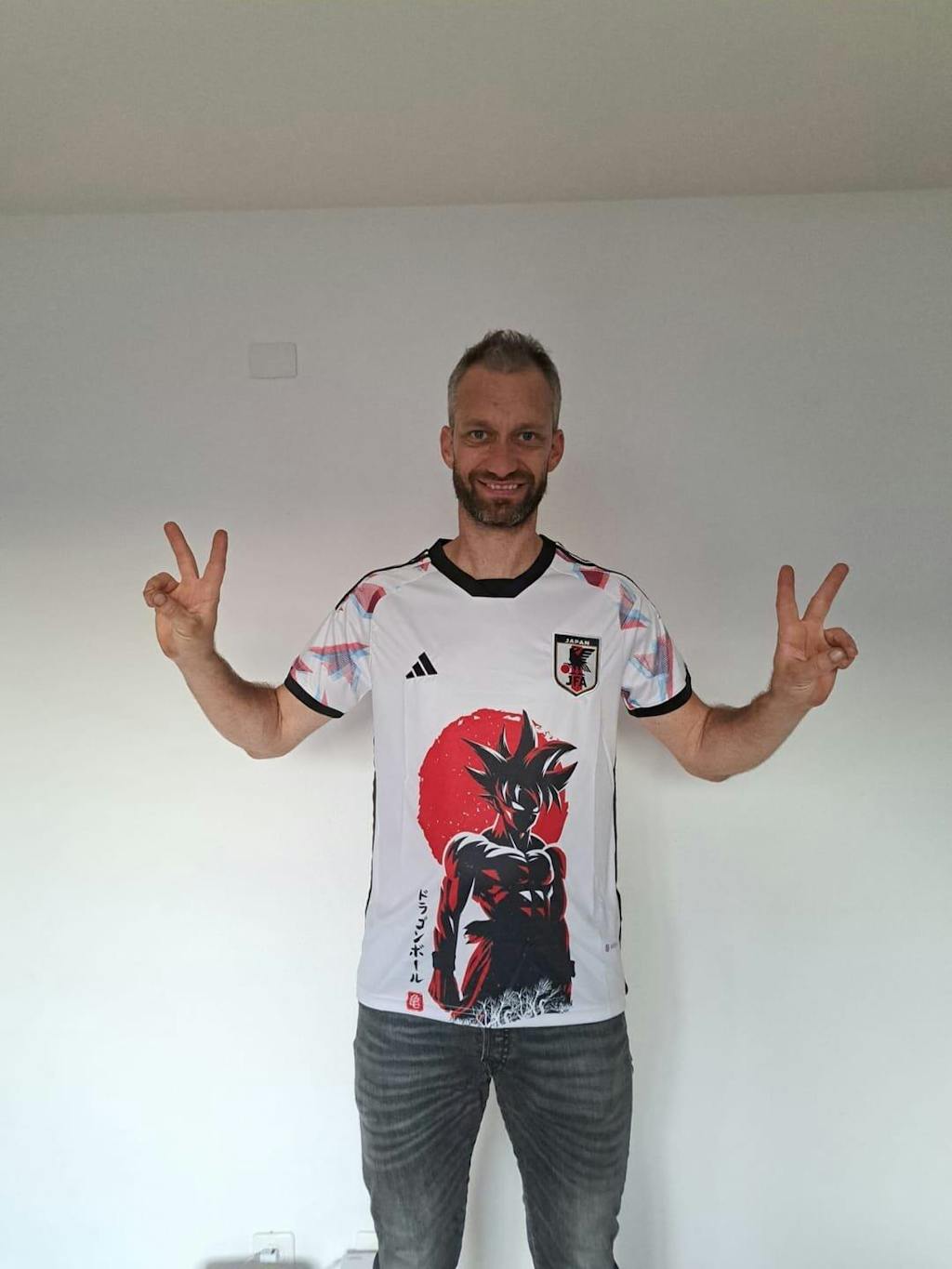
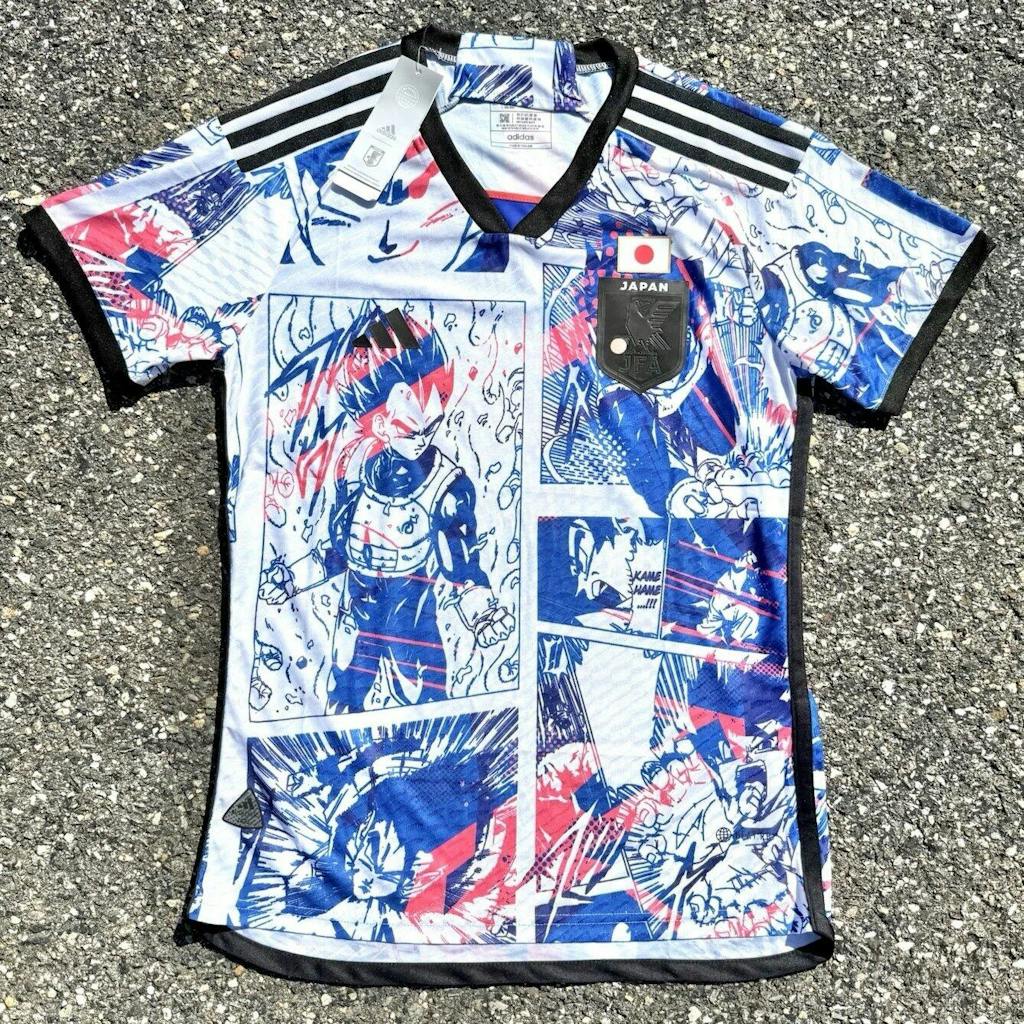
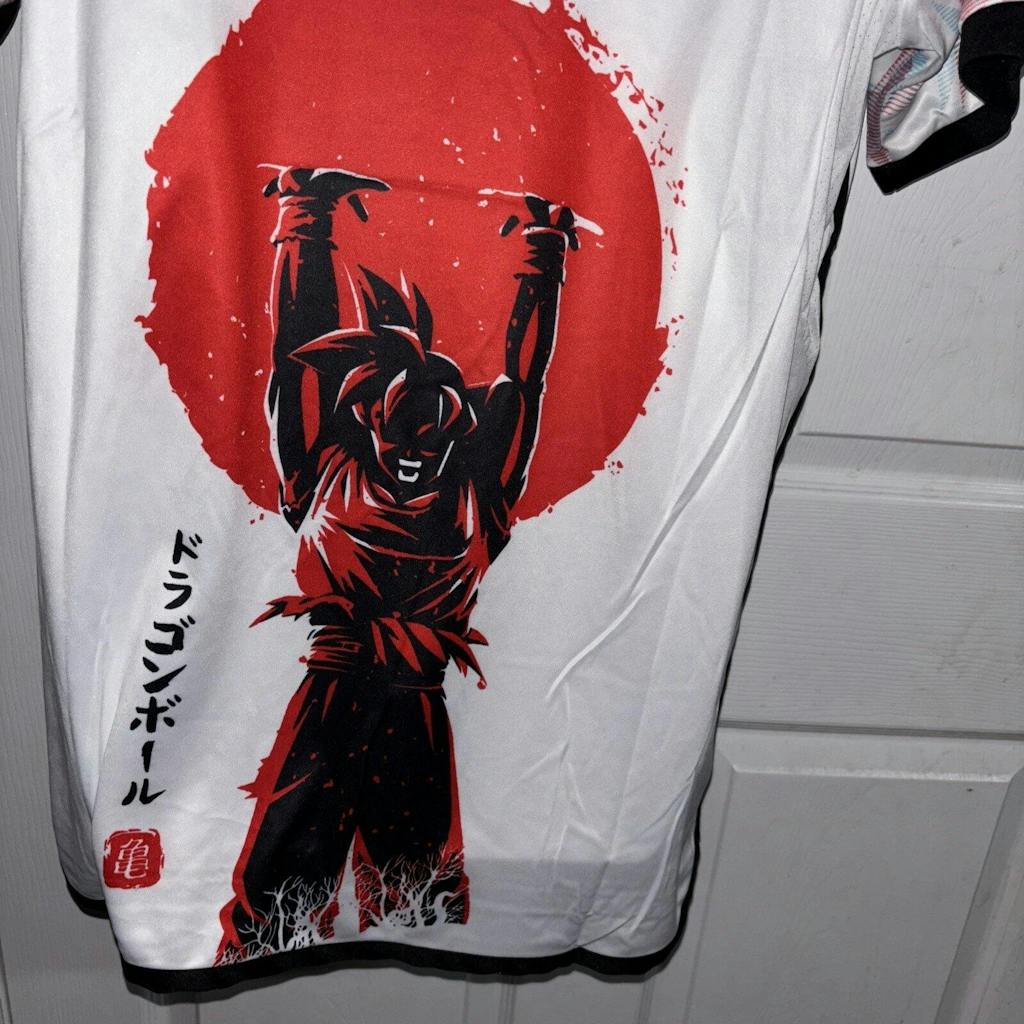
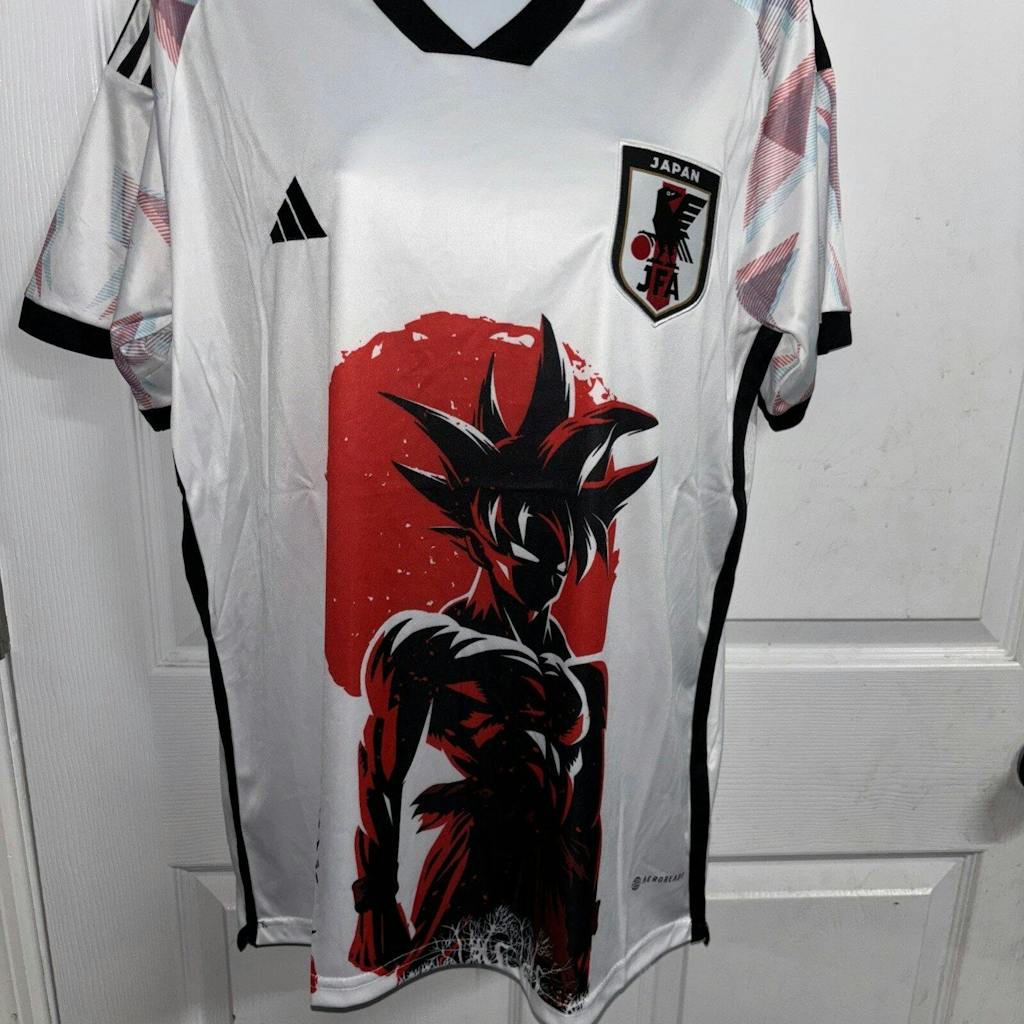
Blue Lock and the Evolution of Japan Football Shirts: How Anime Reshaped Modern Kit Design
By Mike Torres — Founder of Nipponkits | Football Apparel Designer Since 2019
Introduction: When Anime Influences Real-World Football Aesthetics
Since its debut, Blue Lock has become more than a sports anime. It introduced a radically individualistic philosophy to football storytelling — and unexpectedly influenced how younger audiences perceive Japan football shirts.
This article goes beyond defining a “Blue Lock jersey.” It explores:
-
How anime aesthetics are influencing football apparel
-
The technical standards of high-quality anime-inspired kits
-
Cultural shifts in how fans relate to the Japan football identity
-
What separates serious garments from low-quality prints
If you're researching anime-inspired football shirts or the evolution of Japan soccer aesthetics, this guide is built to give you clarity — not marketing fluff.
1. Japan Football Shirts Before Blue Lock: Tradition Over Expression

Historically, Japan national team shirts have emphasized:
-
Structure and discipline
-
Clean geometric patterns
-
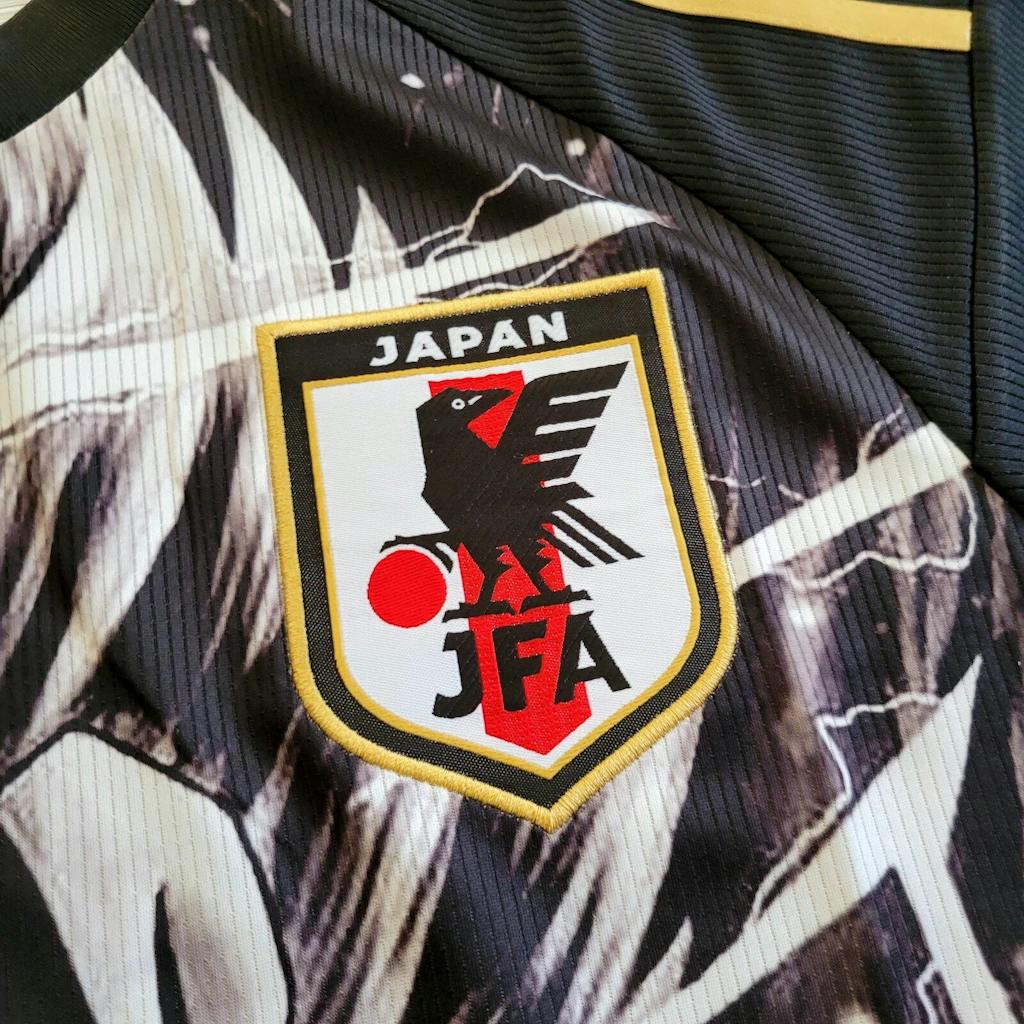
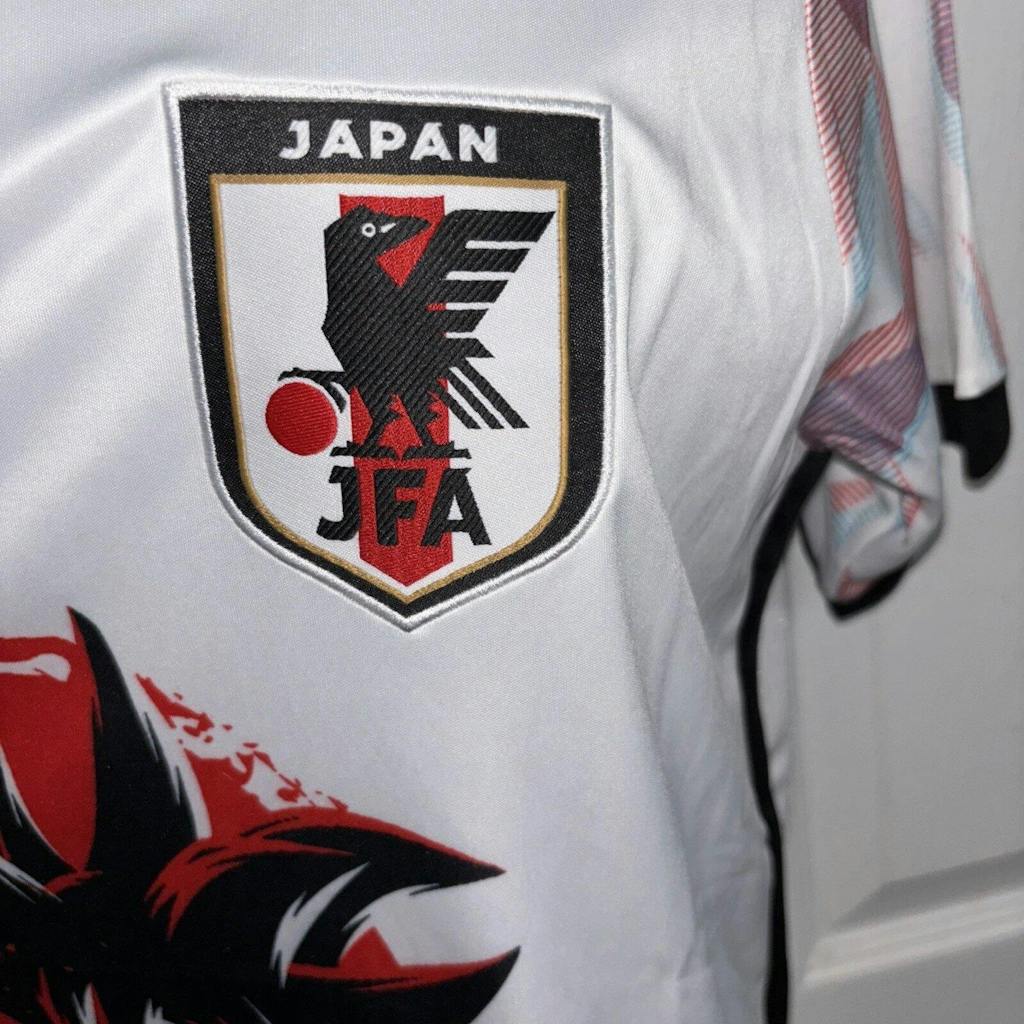
National symbolism
-
Collective identity over individualism
Design language centered on harmony and precision — mirroring Japan’s football philosophy: technical excellence and teamwork.
For decades, Japan’s football kit identity was rooted in:
-
Deep blue palettes
-
Subtle pattern work
-
Balanced typography
-
Federation-focused branding
The aesthetic was refined, but not disruptive.
2. Blue Lock Introduced a Different Football Identity
Blue Lock flipped the narrative.
Instead of teamwork-first ideology, it focused on:
-
Ego
-
Elite striker development
-
Competitive dominance
-
Psychological intensity
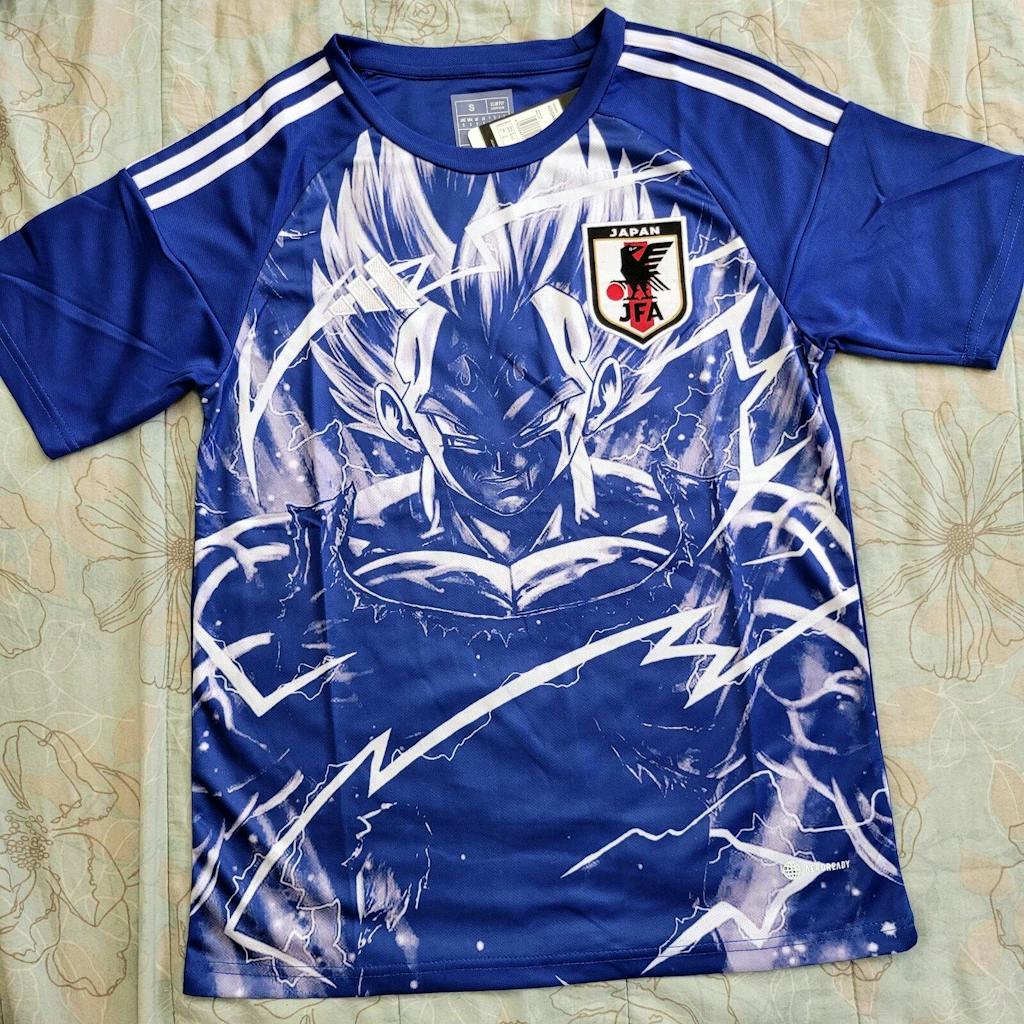
Visually, that translated into:
-
Electric blue contrasts
-
Neon energy lines
-
Aggressive geometric layering
-
Dark, performance-driven design
This aesthetic resonated globally because it aligned with a generation that values:
-
Personal branding
-
Visual boldness
-
Streetwear crossover
-
Cultural hybridity
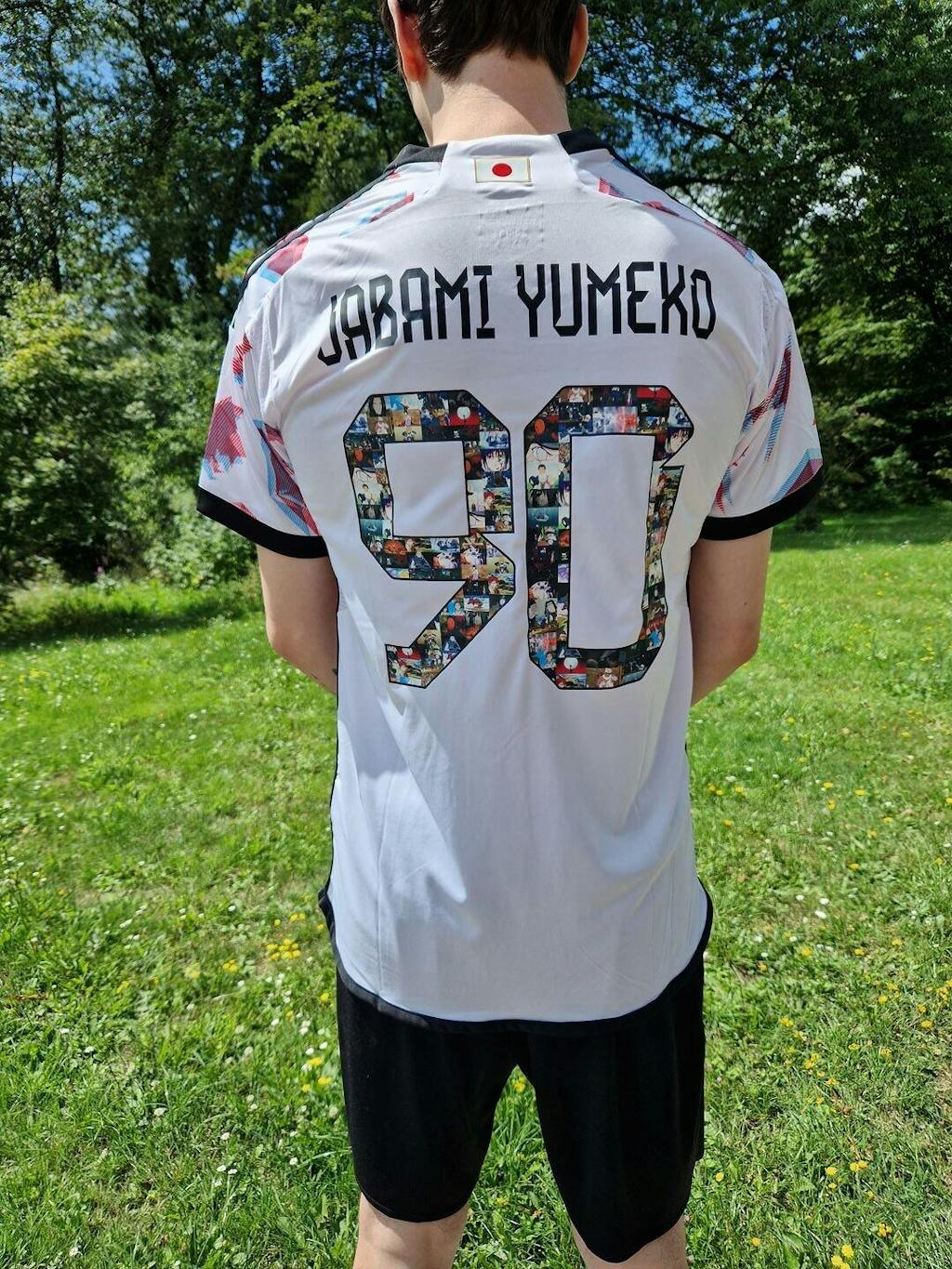
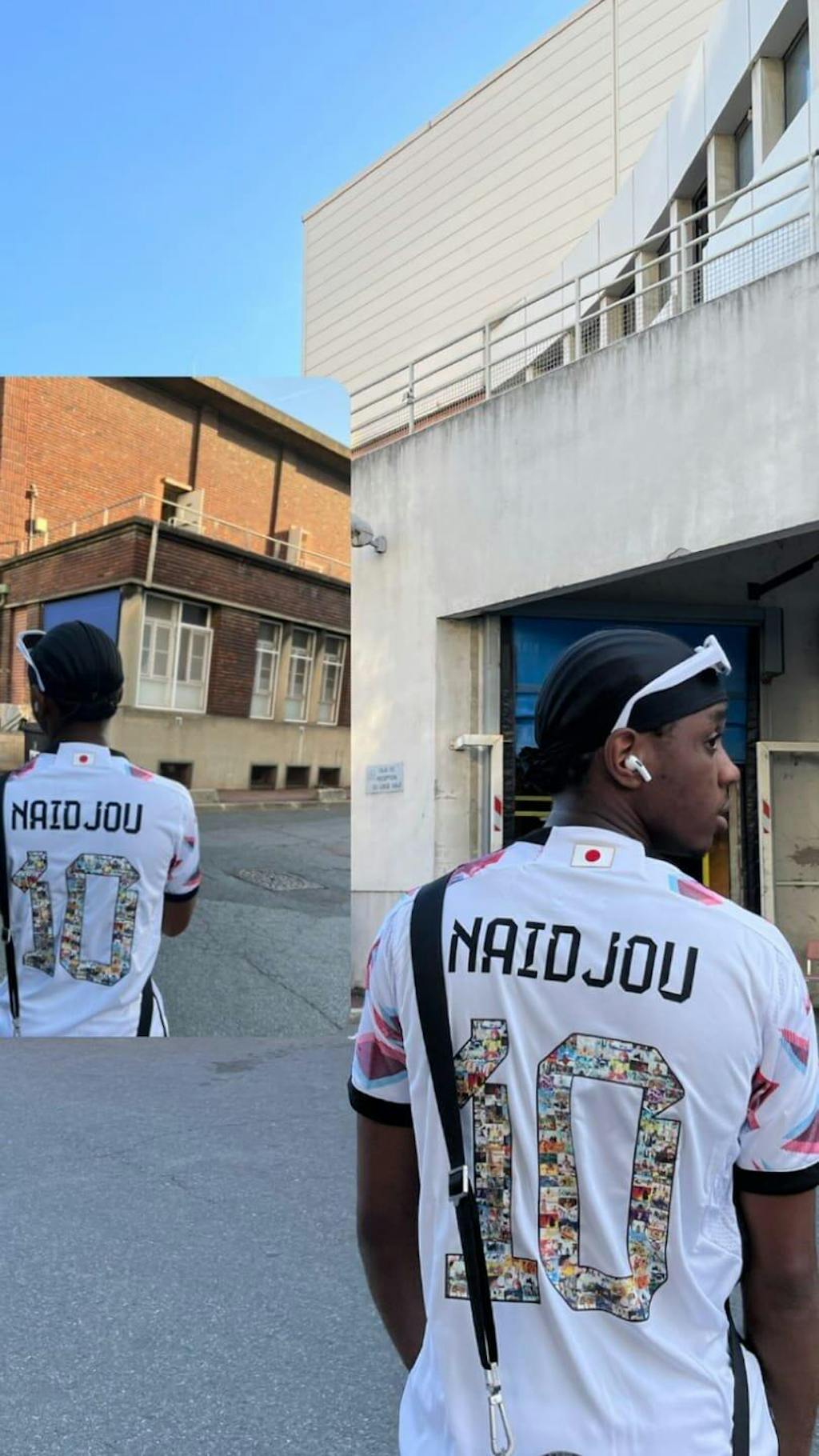
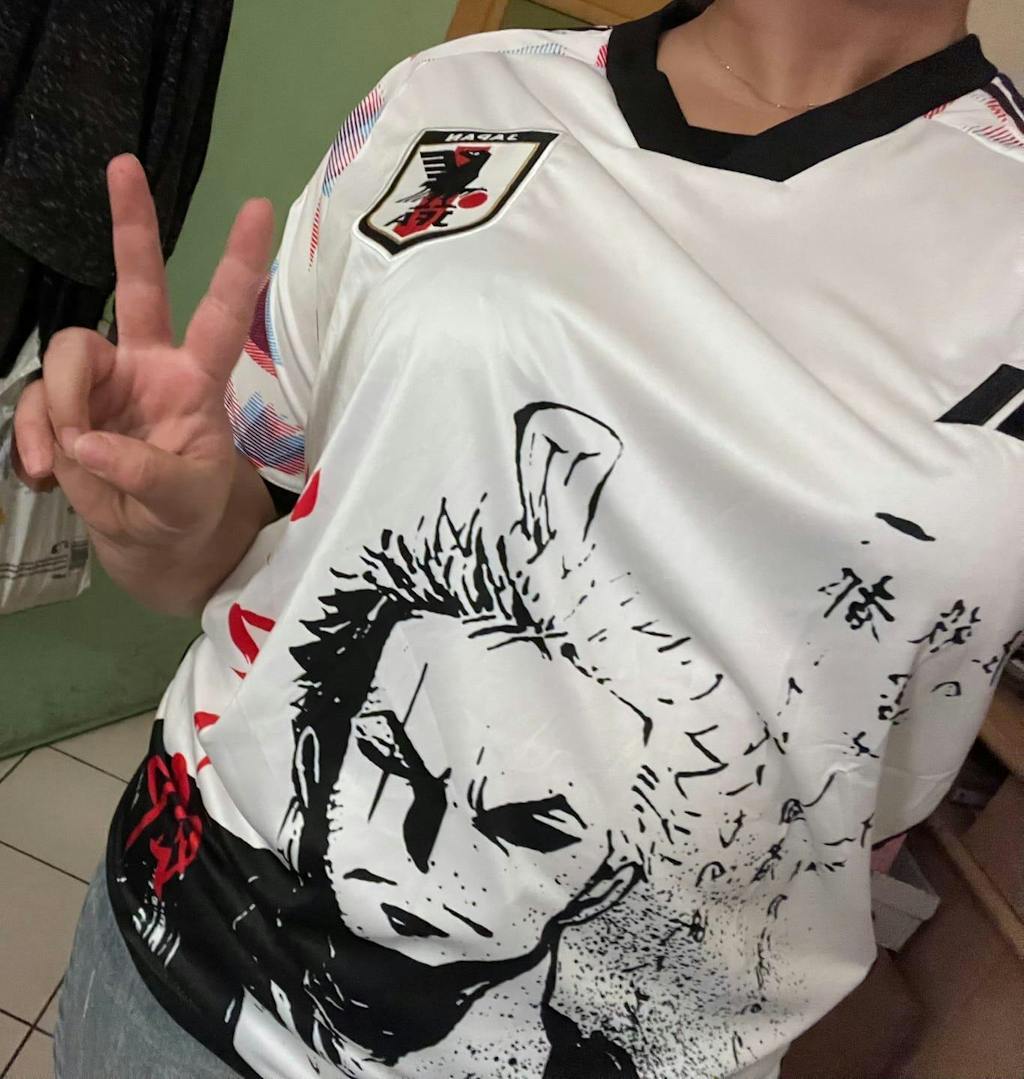
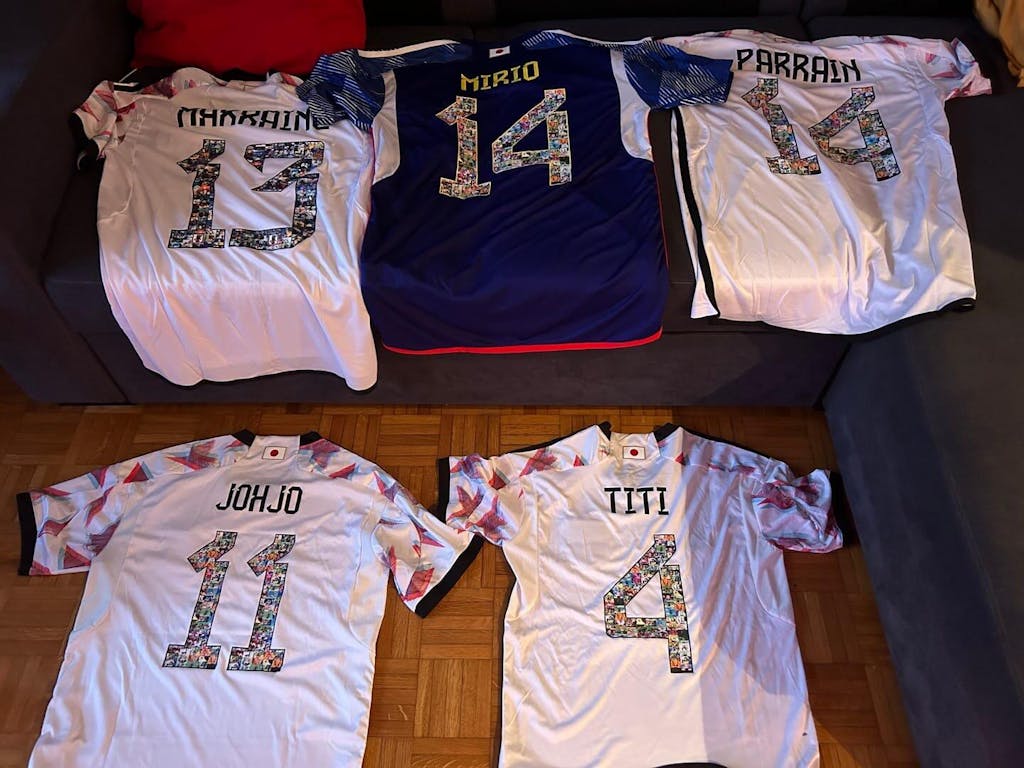
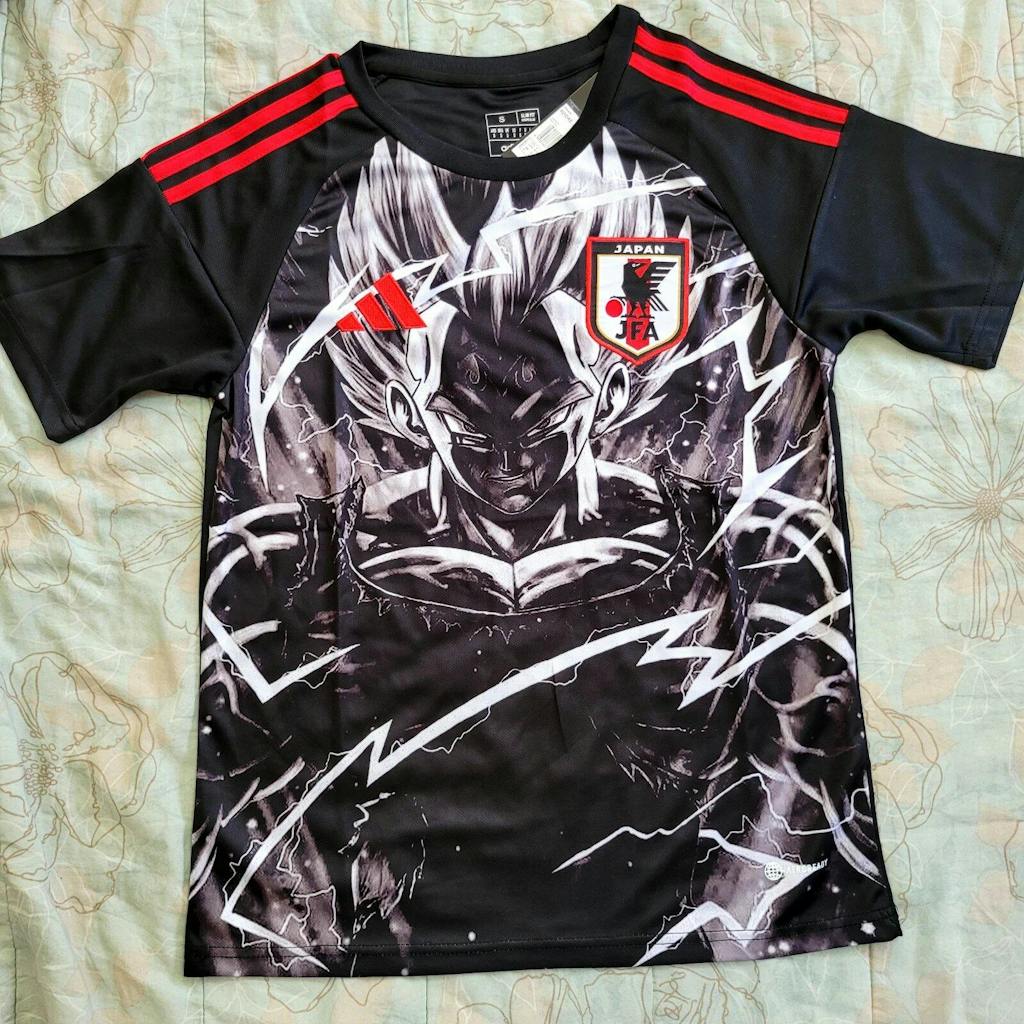
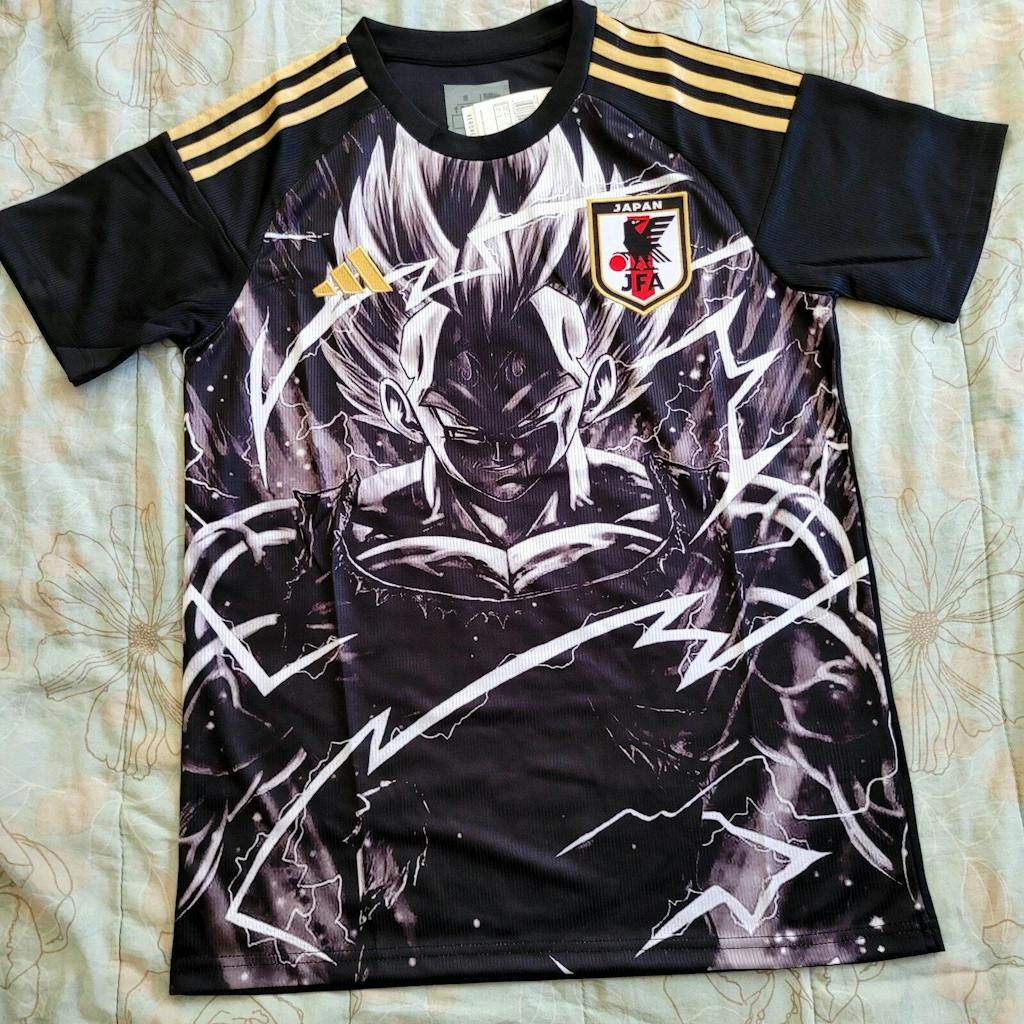
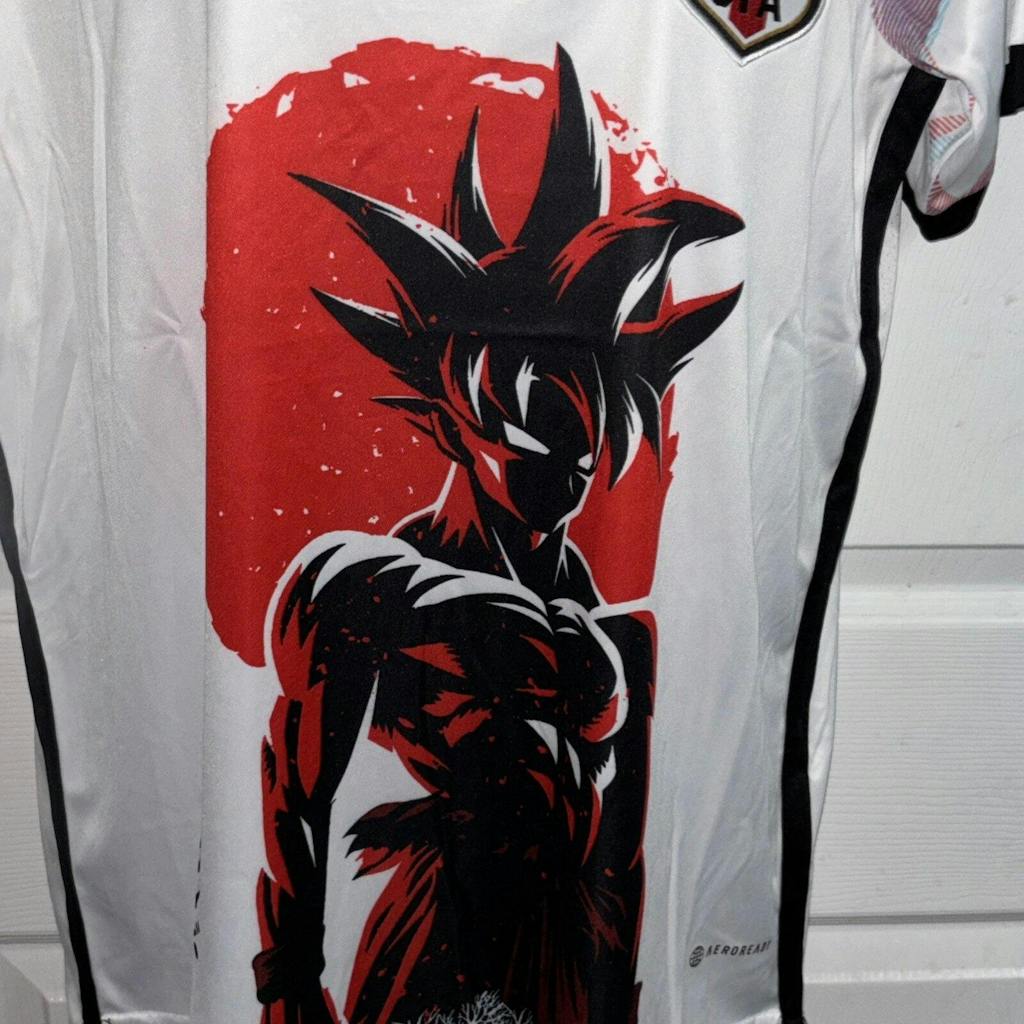
The result? A growing demand for anime-inspired football shirts that blend sport and identity.
3. The Cultural Shift: From Matchwear to Statement Piece

In the past, a Japan football shirt primarily represented:
-
Support for the national team
-
Match-day performance
-
Traditional football culture
Today, younger consumers increasingly see football shirts as:
-
Fashion pieces
-
Collector items
-
Cultural crossover garments
The anime influence accelerated this transition.
Search patterns increasingly show overlap between:
-
Anime fandom
-
Streetwear culture
-
Football apparel
-
Limited-edition kit collecting
The Japan soccer aesthetic is no longer just athletic — it’s expressive.
4. What Defines a High-Quality Anime-Inspired Football Shirt?
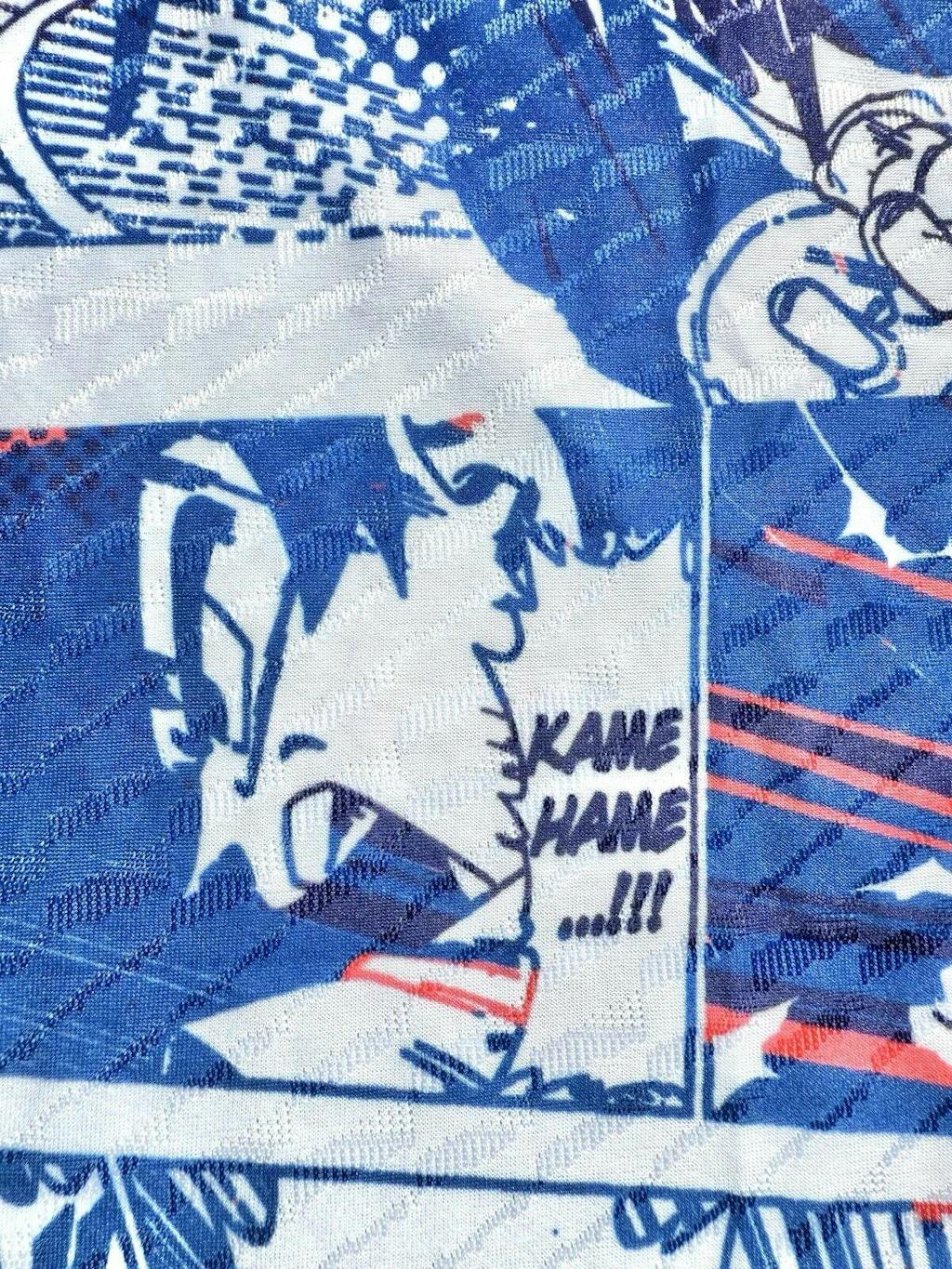
Most low-quality “anime jerseys” are simply printed graphics on cheap polyester.
A serious performance-level garment should meet measurable standards.
A. Fabric Engineering Standards
| Metric | Professional Match Standard | High-Quality Anime-Inspired Kit |
|---|---|---|
| Fabric Weight | 140–160 gsm | 140–180 gsm |
| Moisture Management | ≥85% absorption efficiency | ≥85% |
| Breathability | Micro-mesh ventilation zones | Structured panel ventilation |
| Abrasion Resistance | 10,000+ cycles | 10,000+ cycles |
Without these benchmarks, it’s costume-level — not sportswear.
B. Printing Method Matters
The difference between premium and low-grade shirts:
Sublimation Printing
-
Dye penetrates fibers
-
No cracking
-
No peeling
-
Color retention beyond 50 wash cycles
Heat-Pressed Vinyl
-
Surface-level application
-
Cracks over time
-
Peels with friction
-
Fades quickly
If the artwork is complex (like Blue Lock-style graphics), sublimation is essential.
C. Cut and Athletic Construction
A true football-ready cut includes:
-
Raglan or articulated sleeves
-
Tapered waist
-
Stretch shoulder seams
-
Reinforced collar construction
Without structural engineering, the shirt is decorative — not functional.
5. Blue Lock vs Traditional Japan National Team Shirts
| Dimension | Traditional Japan Kit | Anime-Inspired Version |
|---|---|---|
| Philosophy | Team harmony | Individual dominance |
| Design Tone | Clean and structured | Intense and futuristic |
| Cultural Reference | National symbolism | Pop culture narrative |
| Usage | Match competition | Hybrid: sport + fashion |
Both serve different audiences.
The key difference is intention.
6. Why Blue Lock Jerseys Became a Global Trend

Several macro forces converged:
-
Global expansion of Japanese anime
-
Football’s universal reach
-
Rise of football-as-fashion
-
Collector culture driven by limited drops
-
Social media amplification of bold visuals
The anime-inspired football shirt sits at the intersection of:
-
Performance apparel
-
Cultural storytelling
-
Youth identity
That’s why it’s growing — not fading.
7. What Buyers Should Actually Look For
If you're considering purchasing a Blue Lock-inspired football shirt, evaluate:
✔ Fabric weight listed transparently
✔ Full sublimation (not vinyl patches)
✔ Size chart with chest/length measurements
✔ Clear washing durability claims
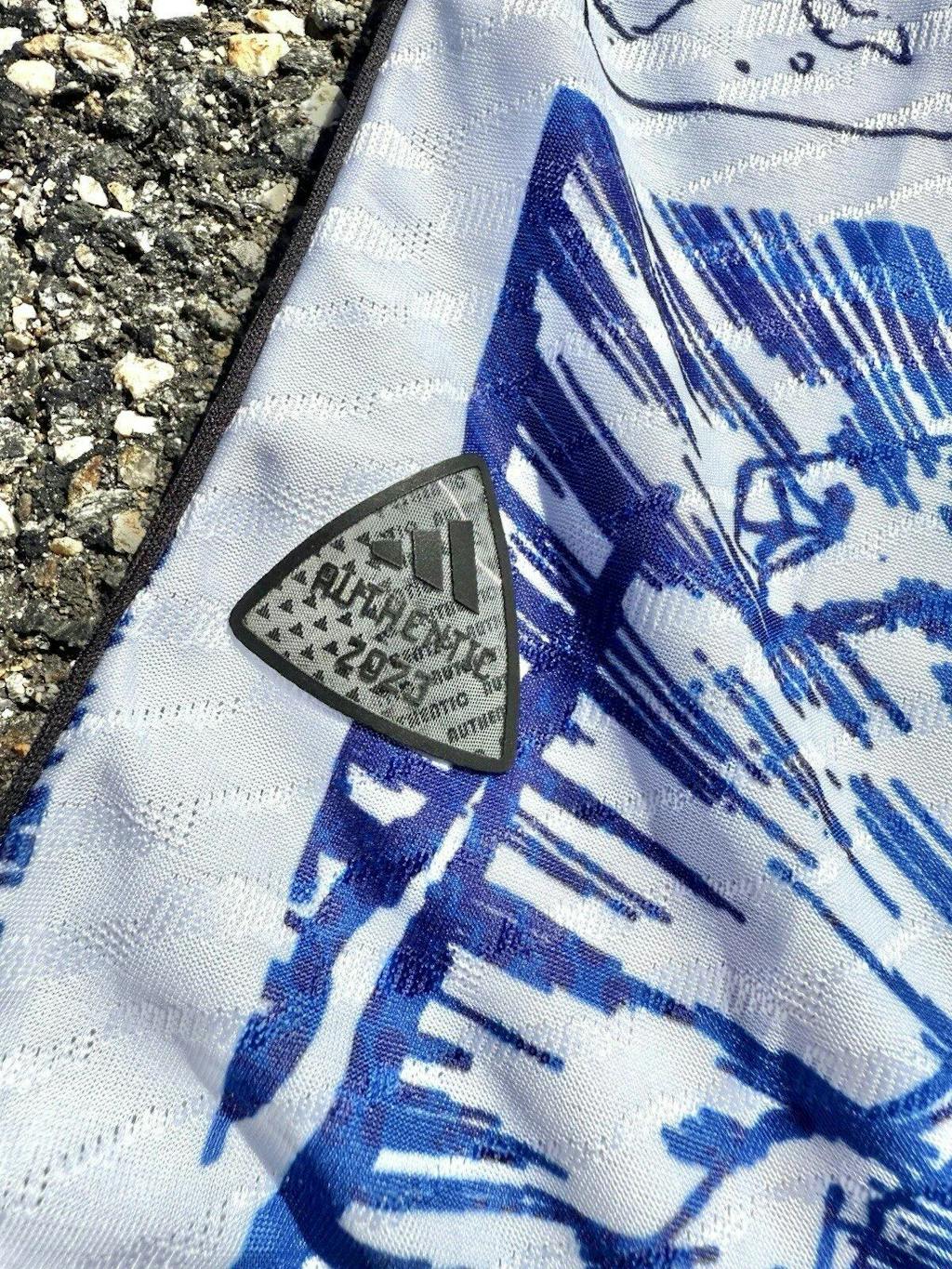
✔ Real product photography (not mockups only)
Avoid vague descriptions like “premium quality” without specifications.
8. Is It Official?
No.
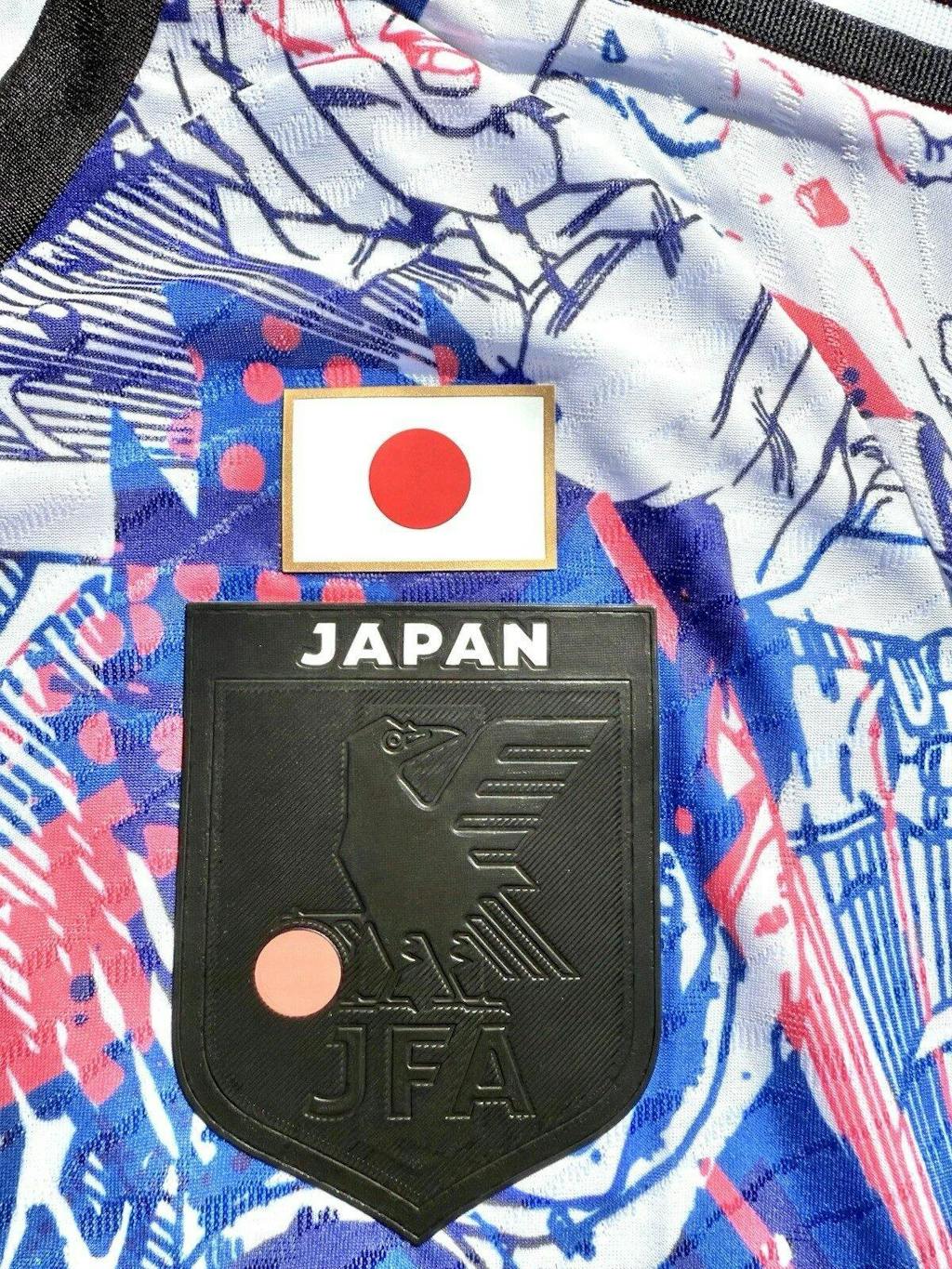
Blue Lock-inspired football shirts are creative reinterpretations. Official national team kits are licensed products tied to international competition.
Understanding this distinction protects both brand integrity and buyer expectations.
9. The Bigger Picture: Anime’s Long-Term Influence on Football Design
The more interesting question is not whether Blue Lock shirts sell.
It’s whether anime has permanently altered football design language.
Evidence suggests:
-
Younger audiences discover football through anime.
-
Fashion brands increasingly merge sport and animation.
-
Graphic-heavy kits are becoming normalized.
The Japan football shirt is evolving from:
Uniform → Expression.
And that shift is unlikely to reverse.
Final Perspective: Where This Trend Is Heading
Anime-inspired football apparel is not a passing niche.
It represents:
-
A generational shift in sports culture
-
The blending of media ecosystems
-
A new approach to football identity
For designers, retailers, and collectors, the opportunity lies in:
-
Technical authenticity
-
Cultural intelligence
-
Long-term quality
Not just aesthetics.