Japan football shirt: the ultimate buyer's guide 2026
Buying a Japan football shirt gets simple fast when you choose the vibe first—national team identity, retro collector energy, or streetwear-ready concept kits—then size up one from your usual EU fit. In 2026, the smartest picks are the ones you'll actually wear, not the ones that only look good in a product photo.

Introduction
The best way to buy a Japan football shirt in 2026 is to pick the style lane you want (national team, retro, or concept), then size up one full step and check how the badge and prints are built.
That's the whole game: the right vibe, the right fit, and details that won't annoy you after two wears. Photos can't tell you everything—especially about color depth, collar shape, and whether a shirt sits clean on the shoulders or feels tight in the chest.
From the drops we've handled at NipponKits, the sizing difference is consistent across Japan kits: start by going one full size up from your standard EU/UK/US fit, then decide if you want a sharper matchday cut or a relaxed streetwear fit.
Key context
- Home vs away vs third: Home is the "default identity" pick, away is cleaner and easier to style, and third is the statement option (when it exists).
- Stadium fit vs streetwear fit: Stadium fit sits closer to the body; streetwear fit gives you extra room in the chest and sleeves for layering.
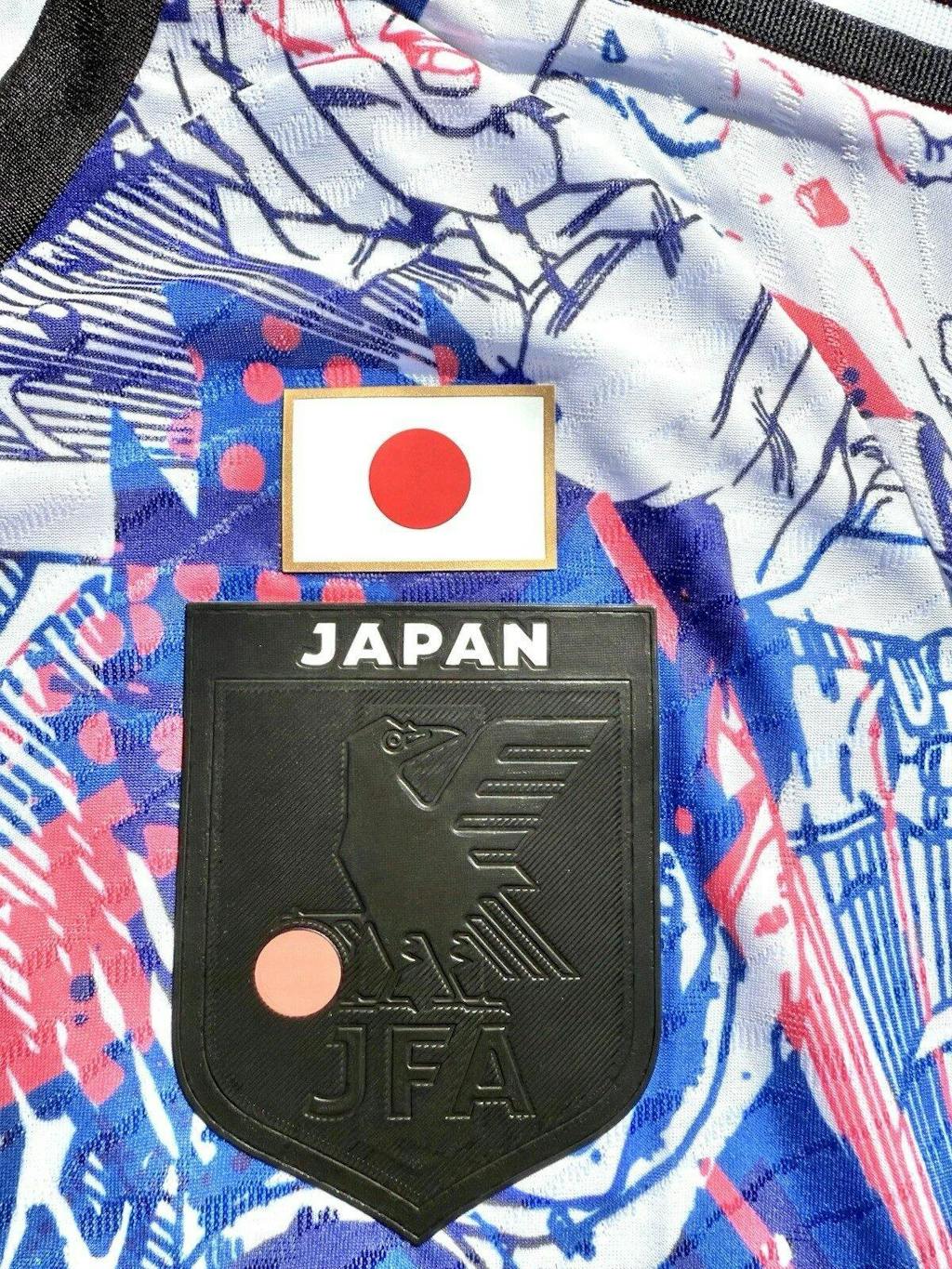
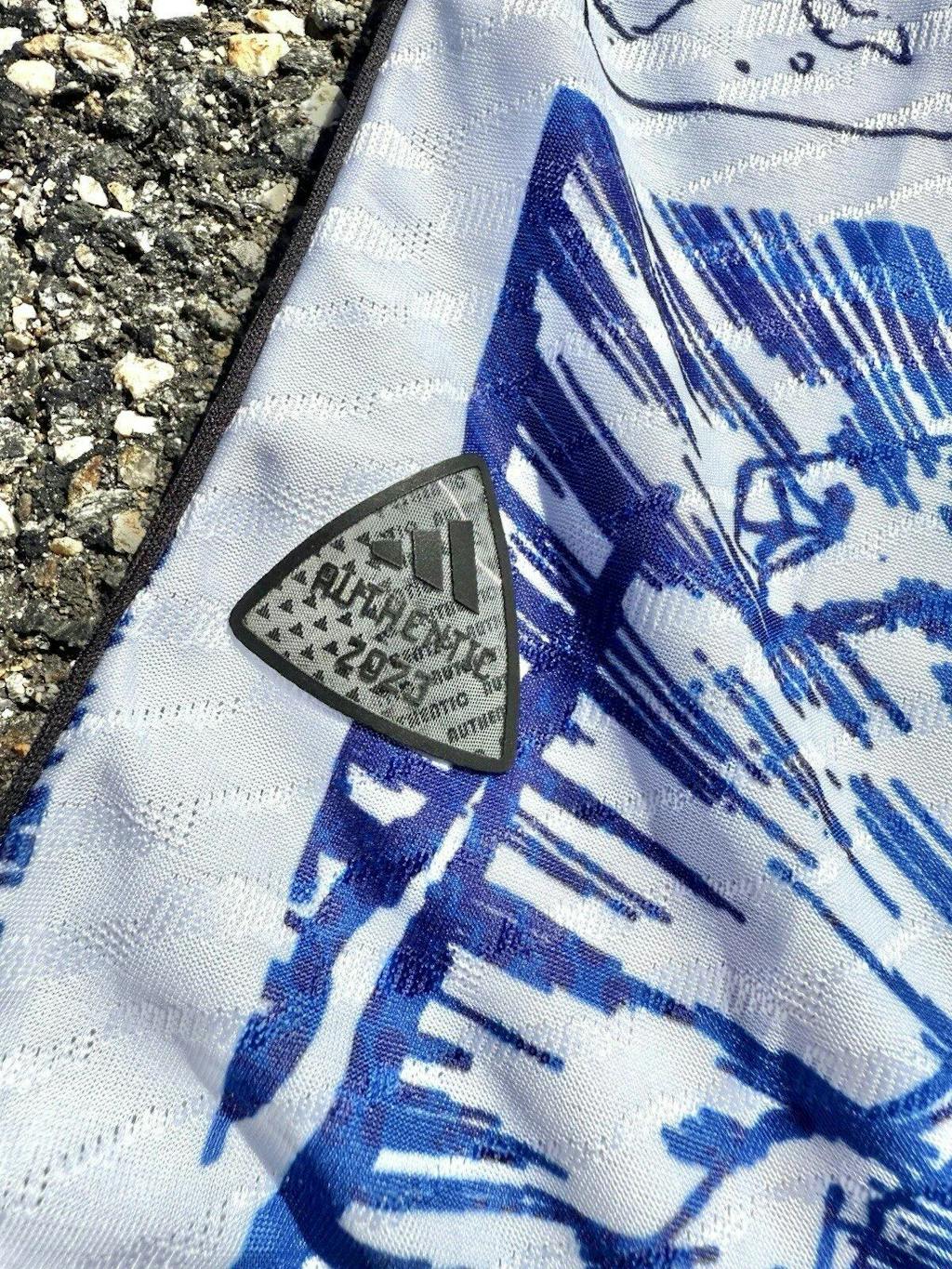
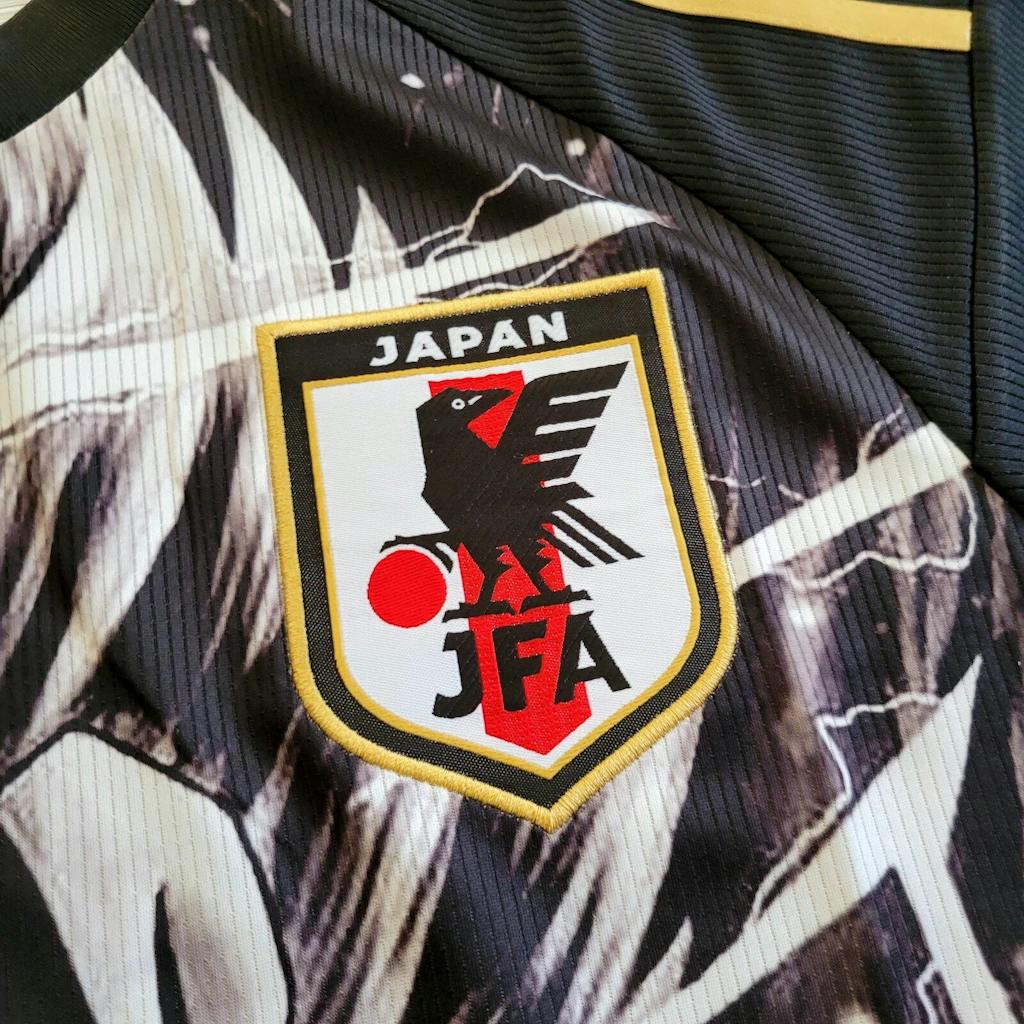
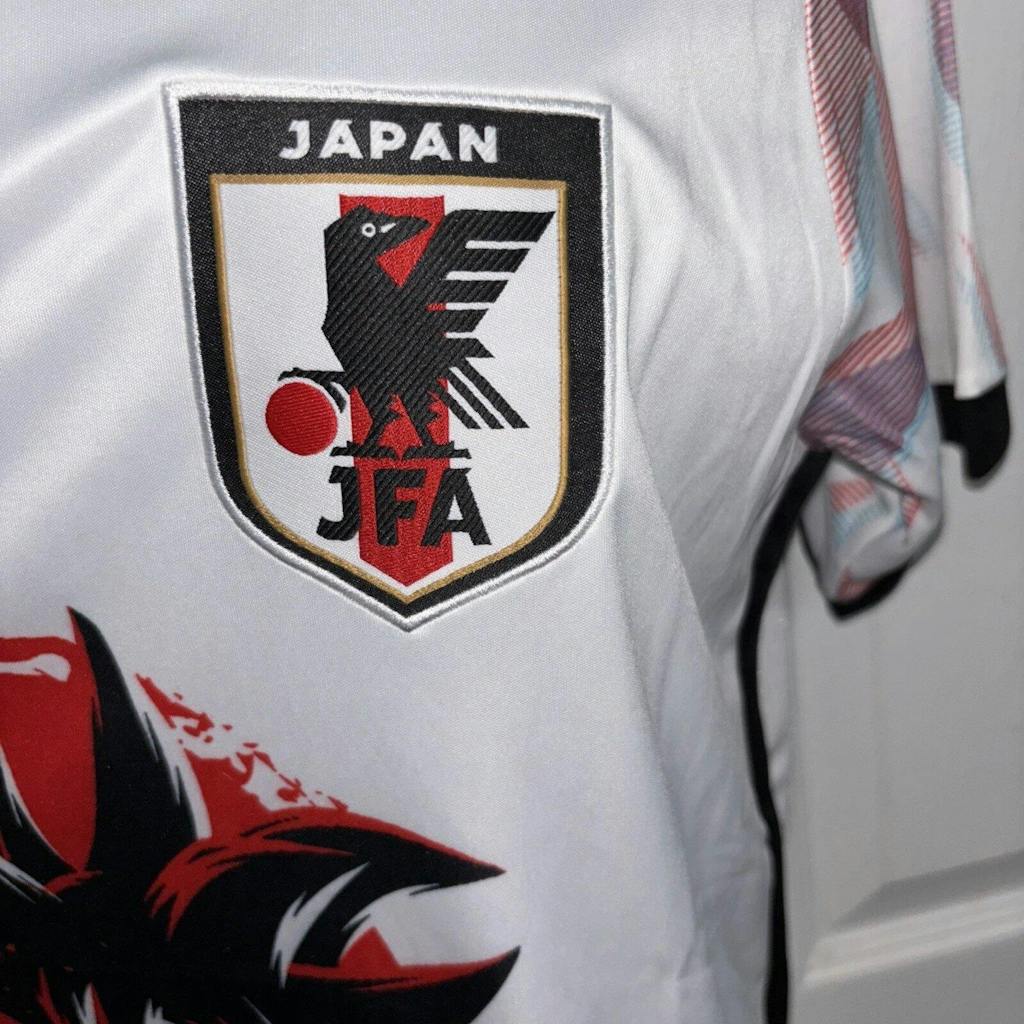
- Badge build: Woven badges feel textured and durable; heat-pressed badges look sleek but need gentler washing and drying.
- Concept kit: Japan-inspired football jerseys designed around Japanese culture, art, and streetwear energy—made to be worn beyond matchday.
Japan football shirt buyer's guide 2026: what should I check before buying?
Check three things before you buy: sizing conversion, badge/print build, and how you'll actually wear it (matchday, streetwear, collecting). If you get those right, everything else is taste.
Start with fit. Japan kits typically run a full size smaller than EU/UK/US, so your "normal" size often lands too snug in the chest and shoulders. Next, look at the badge and prints: a woven crest has that classic stitched texture, while heat-applied details feel smooth and modern but can punish you if you treat it like a gym tee.
One more 2026 reality check: if you're seeing "confirmed" future tournament specs months early, treat it as speculation. The safest approach is to buy what you love now—because the shirt you wear is always the best one.
Which Japan soccer jersey should I buy: home vs away vs third?

If you're buying one Japan soccer jersey, pick the home colorway first—it's the one that always reads as Japan at a glance. If you want the easiest everyday wear, go away; if you want the boldest look, go third.
Home is the "core identity" piece. It looks right with jeans, cargos, or track pants, and it still feels like a football shirt even when you're wearing it for a coffee run. Away kits are usually cleaner and calmer; they're the move when you want the Japan vibe without feeling like you're dressed for kickoff. Third kits are the risk-and-reward option: they can look insane in the best way, but they're also the easiest to overdo.
Here's the trick: think in outfits, not just shirts. If your wardrobe is mostly black/grey, a lighter away kit becomes a natural contrast. If you live in denim, the home colorway tends to land perfectly. If you like louder streetwear silhouettes, third kits can become the centerpiece.
Collector note: "icon kits" aren't always the loudest ones. The shirts that age best are usually the ones with a clear identity, a clean crest, and a color that still looks good when trends change.
Reference point from our range: the 1998 Japan home jersey (product: /products/1998-japan-home-jersey-fan-edition-japan-retro-jersey) shows why home kits become lifelong staples—simple at first glance, but loaded with era-specific character.
How to pick the right Japan jersey fit: stadium fit vs streetwear fit?

Pick stadium fit if you want a clean, close silhouette that sits sharp on the shoulders; pick streetwear fit if you want room in the chest and sleeves for layering. Either way, start by sizing up one from your usual EU/UK/US size, then fine-tune from there.
Stadium fit looks best when you're wearing the shirt as the main piece—no bulky layers, just the jersey and maybe a light jacket. Streetwear fit is what you want if you plan to throw it over a hoodie, wear it open like a top layer, or tuck it slightly into baggier pants.
Quick fit checklist before you order
- If you hate tight sleeves, go streetwear fit.
- If you want it to look "matchday clean," go stadium fit.
- If you'll layer a hoodie underneath, size up again or choose the roomier cut.
- If you're between sizes, pick the larger one and control the shape with styling.
What is the difference between a Japan national team jersey and a Japan-inspired concept kit?
A Japan national team jersey is about team identity and traditional football design language; a Japan-inspired concept kit is about Japanese culture, streetwear styling, and collector energy. Both can look "football" on-body, but they feel different in how you wear them.
National team shirts tend to follow a familiar rhythm: crest placement, official color signals, and a look that makes sense in the stands. They're the safest pick if you want a shirt that always reads as Japan football, especially around big match windows.
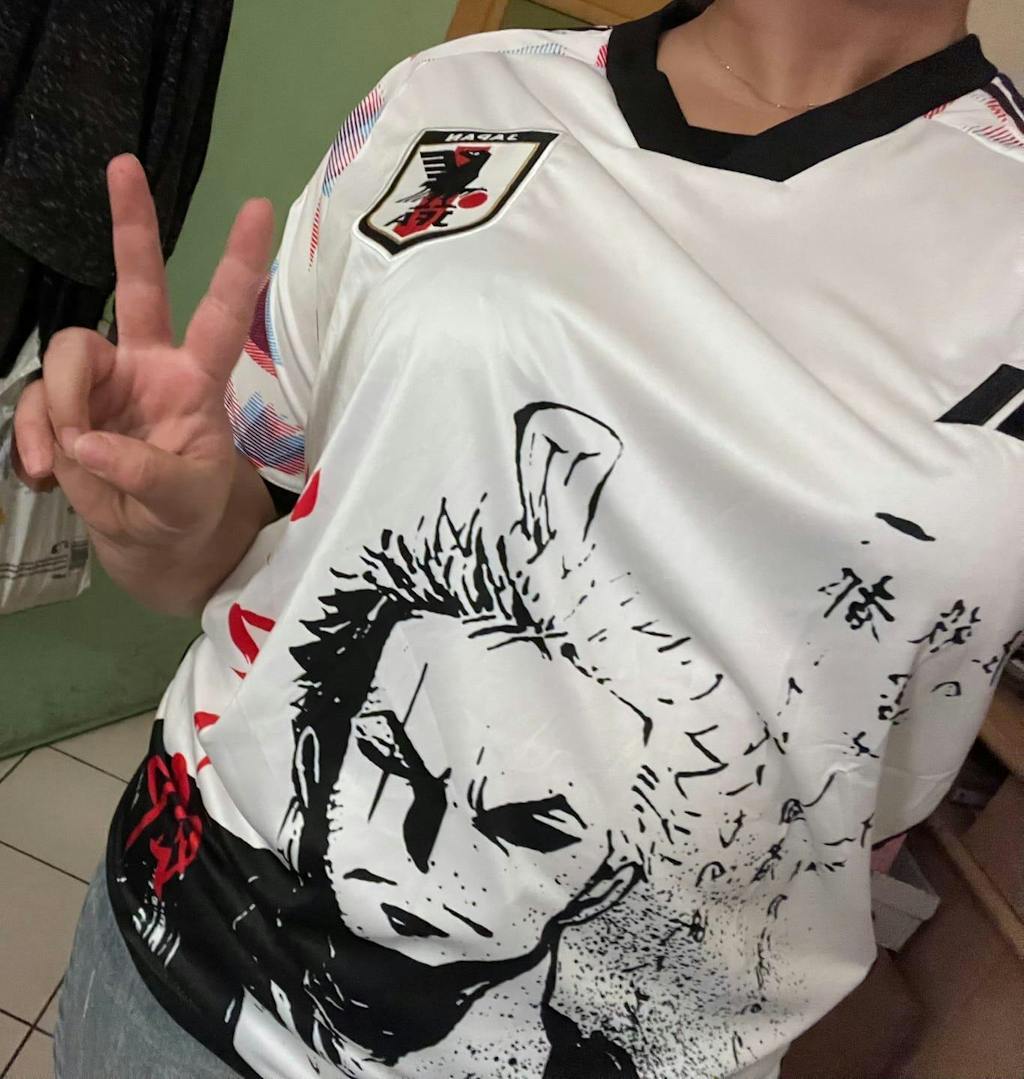
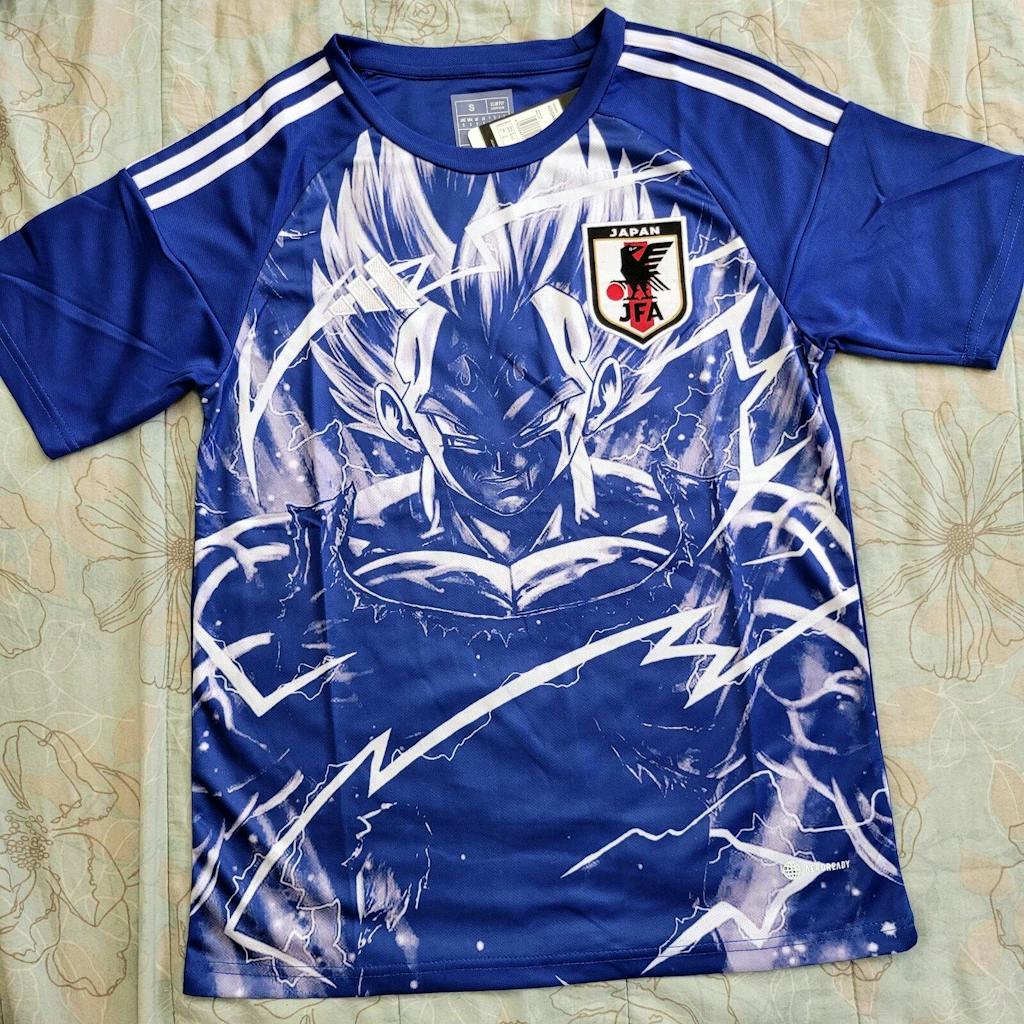
Concept kits are where design gets playful. You'll see references to Japanese icons, motorsport energy, neon accents, and graphic storytelling that's built for outfits. In practice, they often style more like streetwear than sportswear—because the point is to wear them beyond matchday.
From what we see with collectors, the decision usually comes down to one question: do you want "team-first," or "Japan-first"? If you're the type who buys one shirt and lives in it, national team identity is hard to beat. If you rotate fits and want something that feels like a drop, concept kits hit different.
Japan football jersey details: what matters most (badges, numbers, fabric)?
The details that matter most are the crest feel, the finish of any numbers/graphics, and how the fabric behaves when you sweat or layer. Those three decide whether your shirt feels premium or flimsy.

Start with the crest. A textured woven badge reads classic and tends to survive years of wear; smoother heat-applied crests look sleek and modern, but they demand better care. Then look at graphics and numbers. The cleanest prints sit flat, don't feel rubbery, and don't crack when the shirt flexes—especially around the lower back and stomach where fabric naturally folds.
Fabric is the quiet deal-breaker. Some shirts have lightweight mesh that stays off your skin; others feel softer but clingier. If you run warm, you'll notice it immediately. If you layer often, you'll care more about how the collar and sleeves sit under a jacket than about "breathability" as a marketing word.
Streetwear reference point from our range: the Japan R34 Skyline Nissan concept jersey (product: /products/japan-r34-skyline-nissan-football-jersey-2025) is a good example of how a Japan-first design can still read like a football shirt while fitting into everyday outfits.
If you want a deeper breakdown of materials, printing, and what to look for in build quality, the customization & materials guide clears up the jargon fast.
How to wash a Japan soccer jersey without ruining the print?
Wash cold, turn it inside out, and skip heat. A gentle cycle plus air drying protects crests and graphics, and it keeps the fabric from getting that tired "shiny" look.
Avoid high-spin if you can, never iron directly on prints, and don't leave it crumpled in a gym bag overnight. Jerseys hate trapped moisture. Hang it up, let it breathe, and it stays crisp longer.
Which Japan kits feel most collectible in 2026: retro, limited editions, or anime?
Retro feels most collectible when you want era character and classic construction; limited editions feel collectible when you want a "drop" energy; anime hits when you want a jersey that's also a conversation starter. The best pick is the category that matches how you actually wear your shirts.
Retro is the safest collector lane because it doesn't rely on trend cycles. Even when you're not thinking about football, a clean retro shirt still works as a styling piece. Limited editions are more like snapshots—special colorways, bolder graphics, and designs that feel tied to a moment. They can become favorites fast if they match your wardrobe.
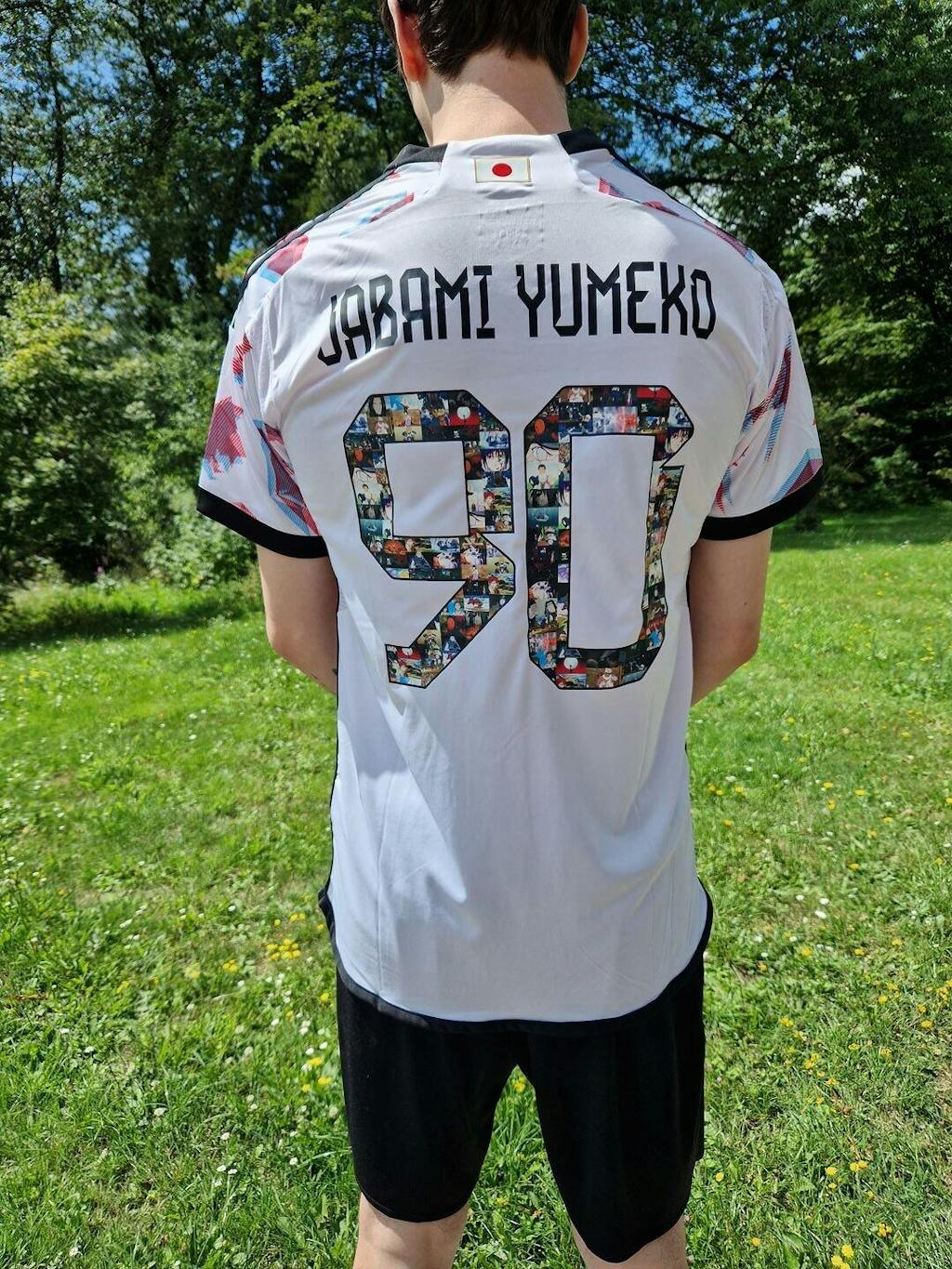
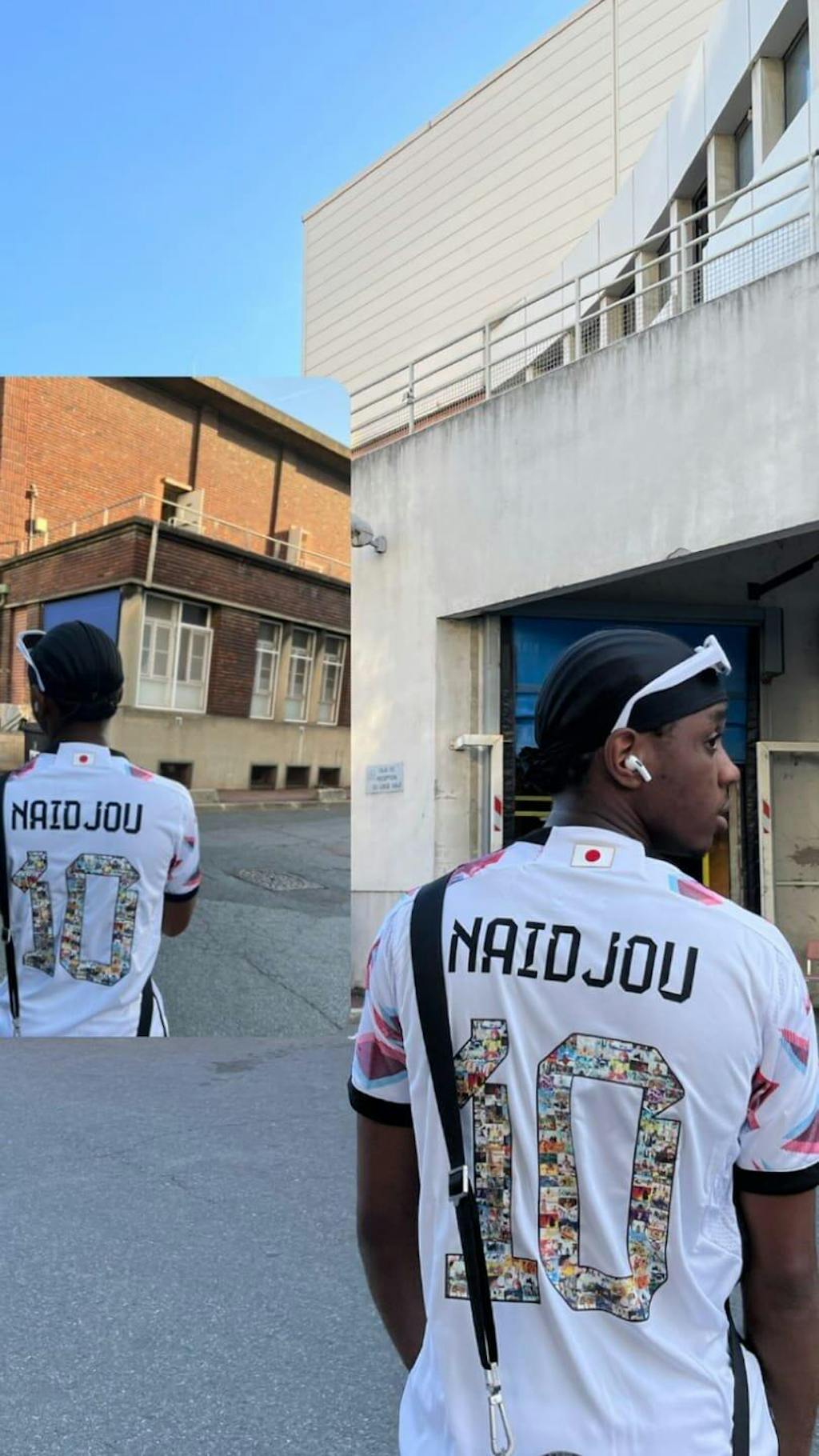
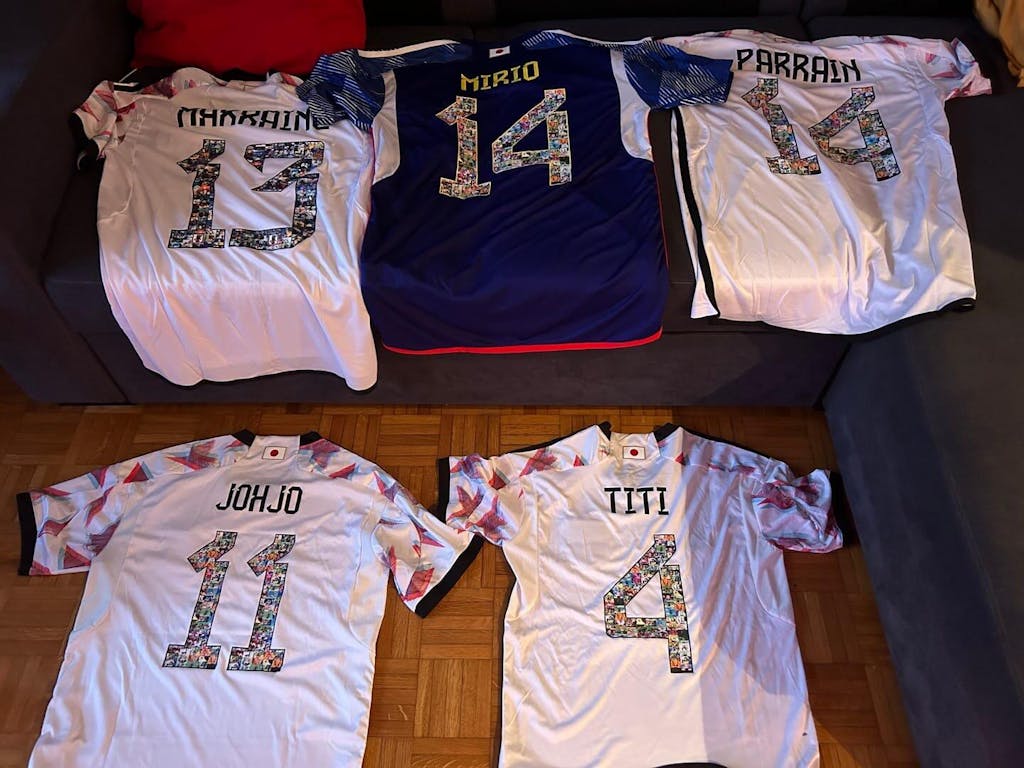
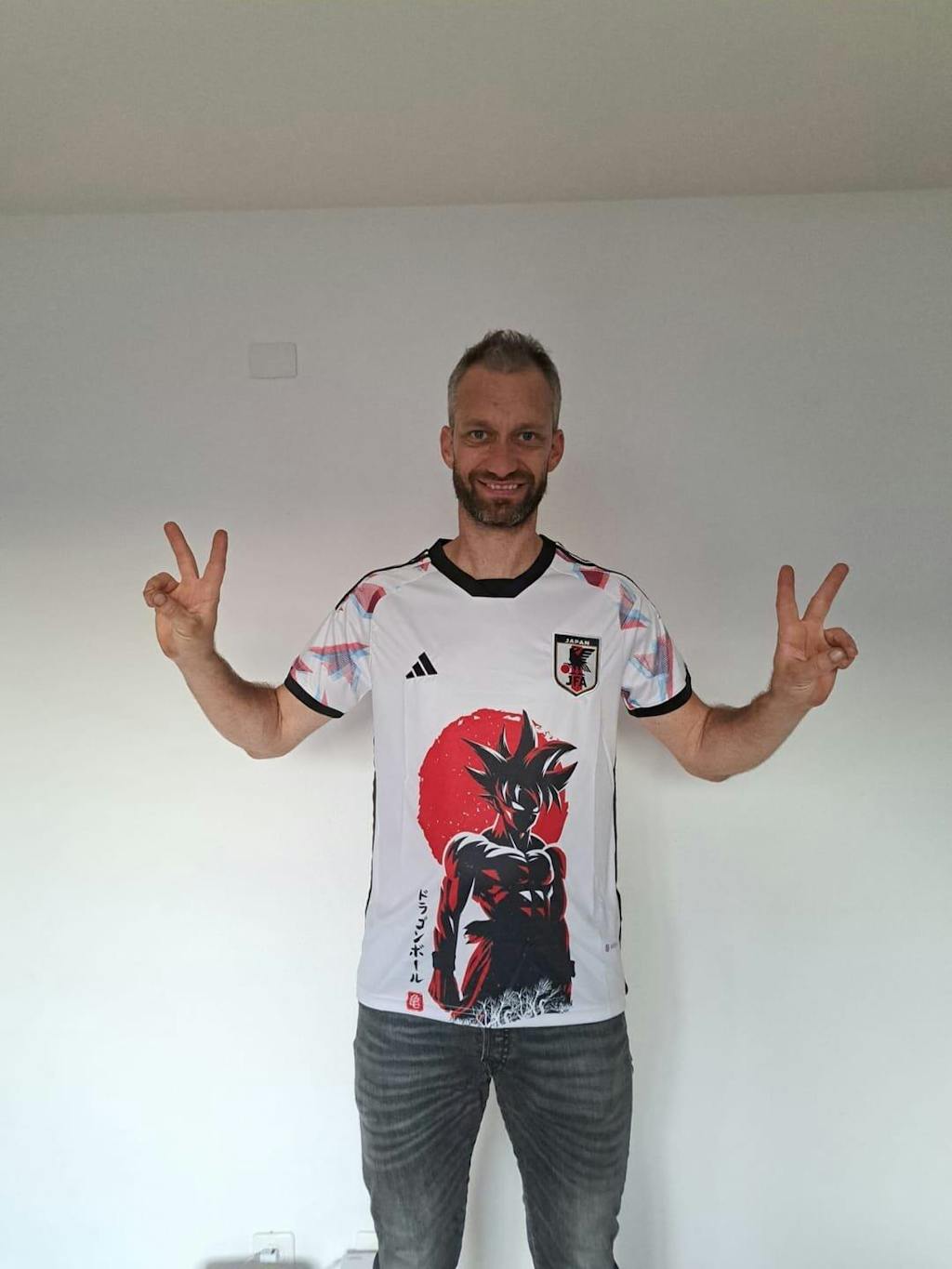
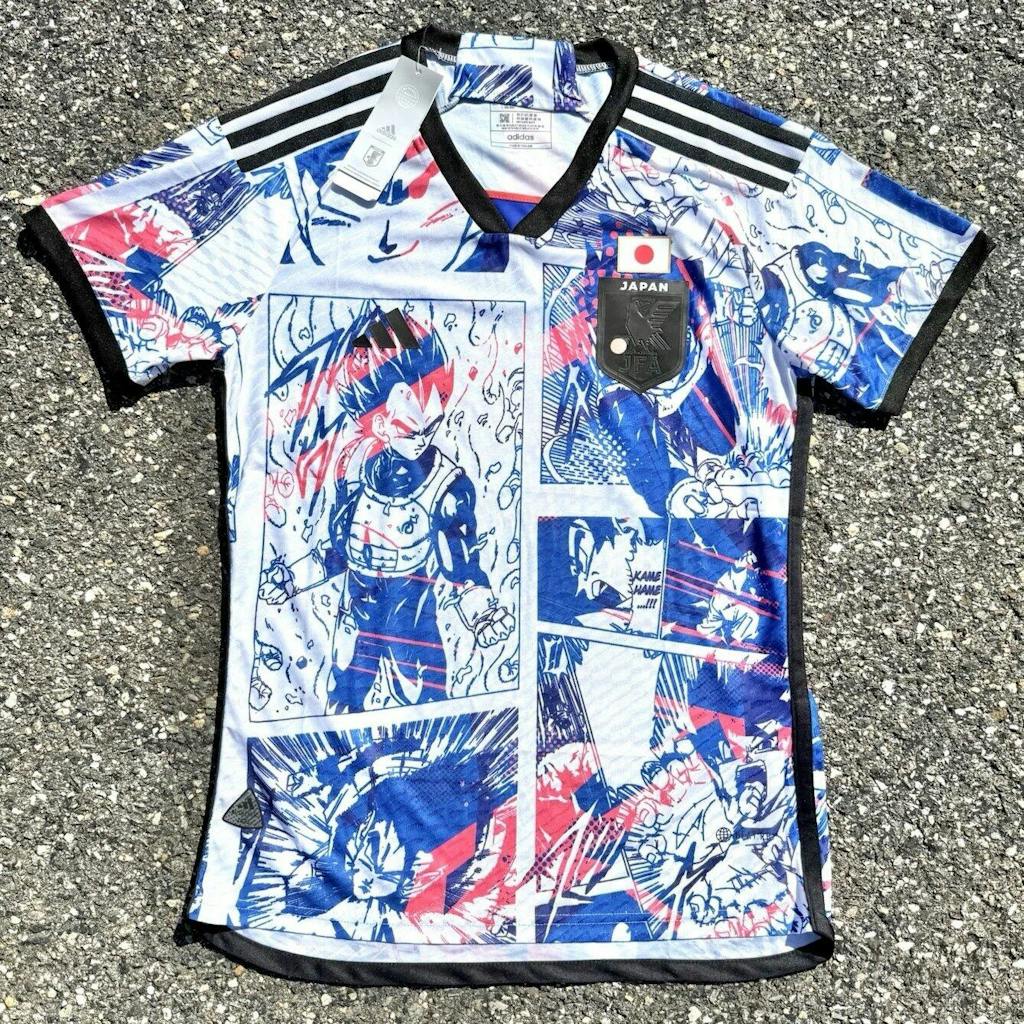
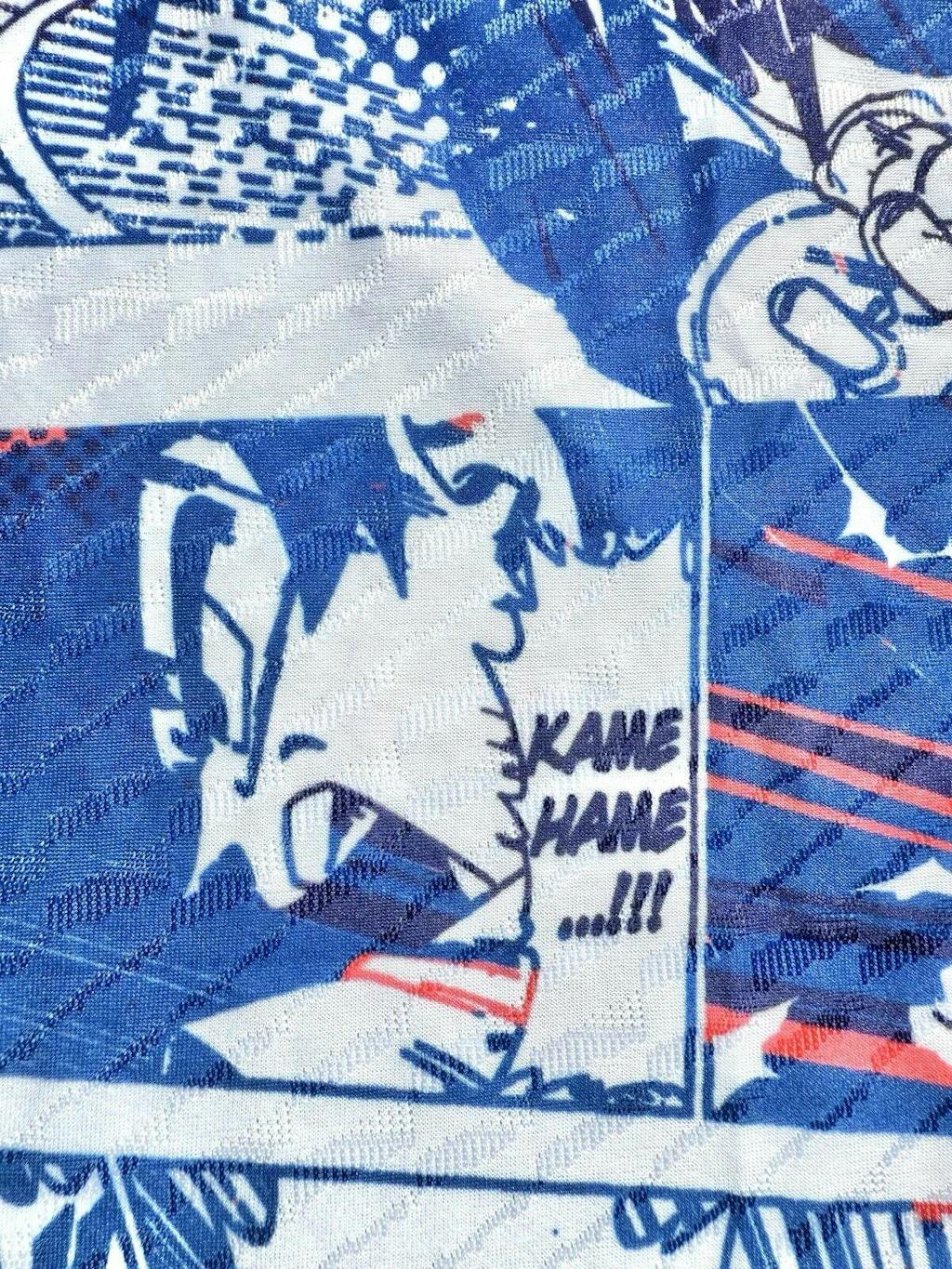
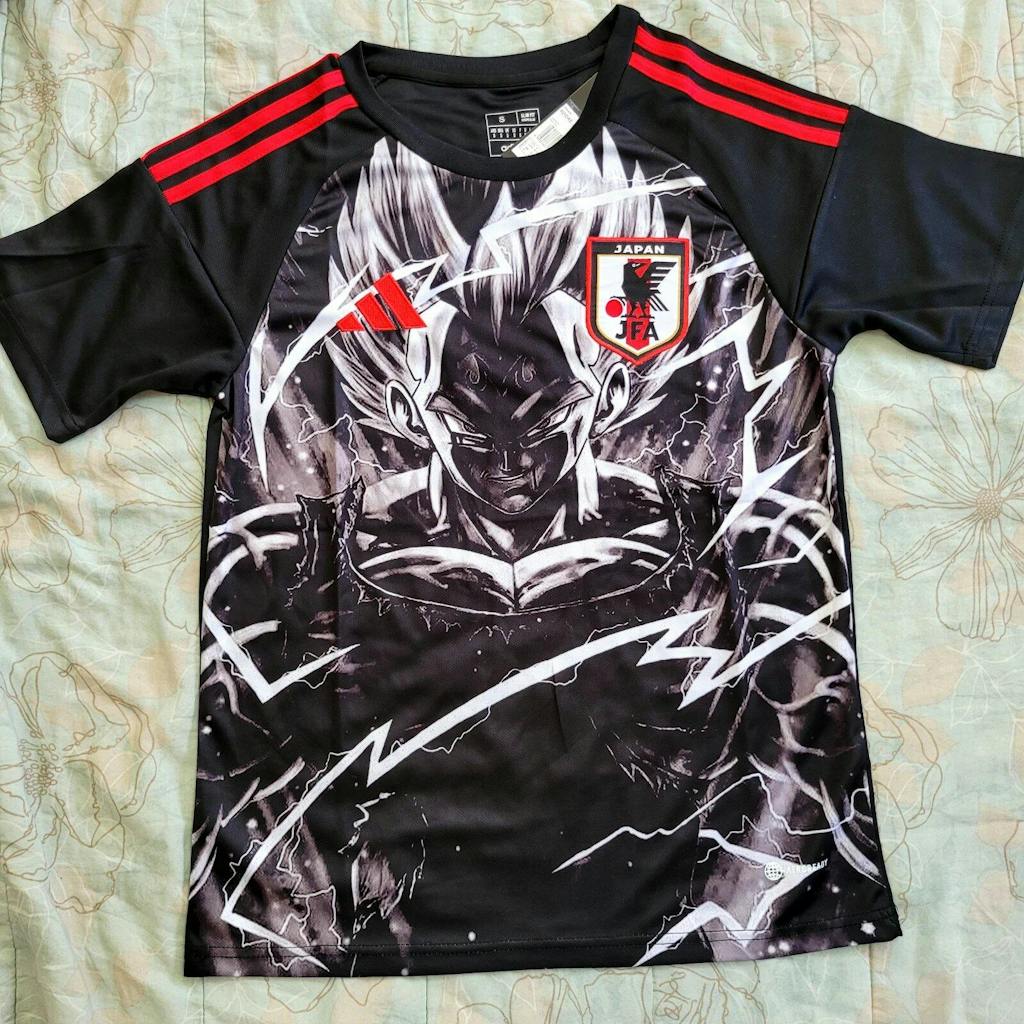
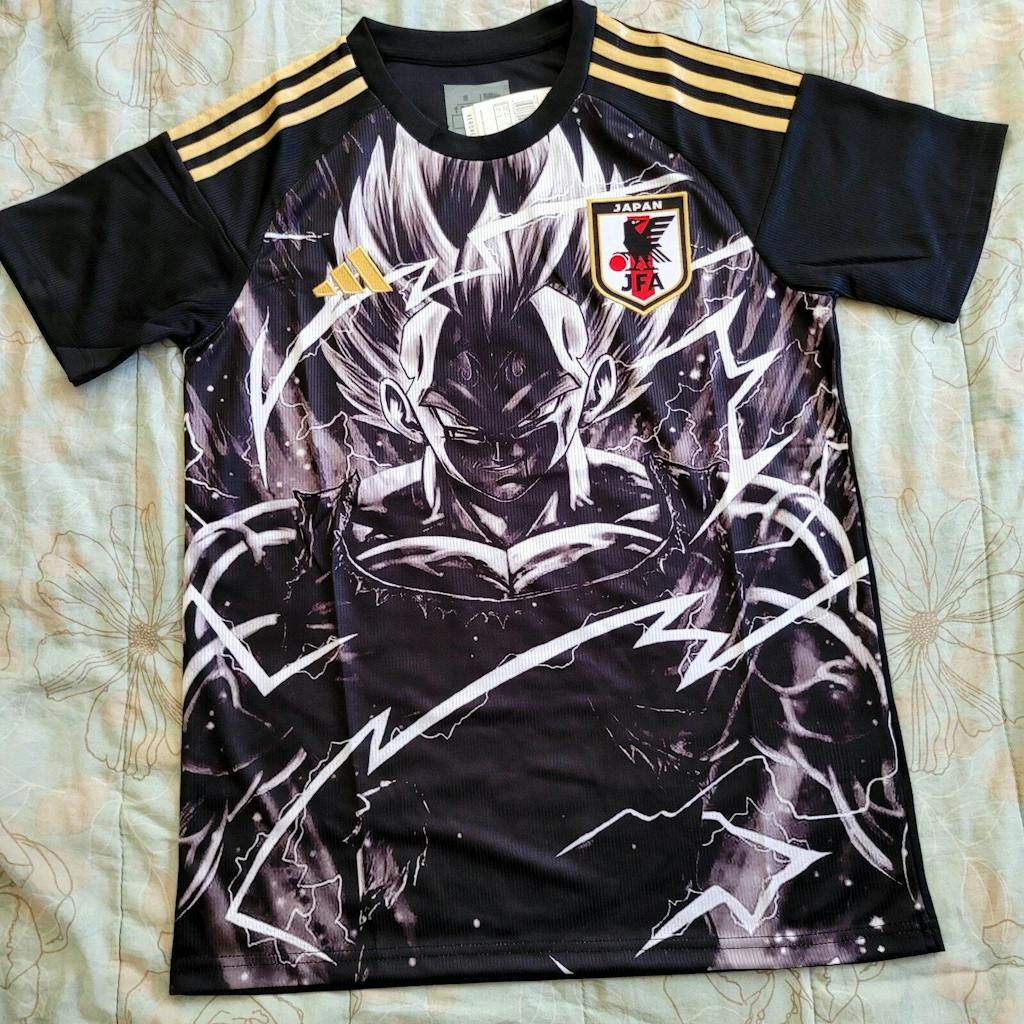
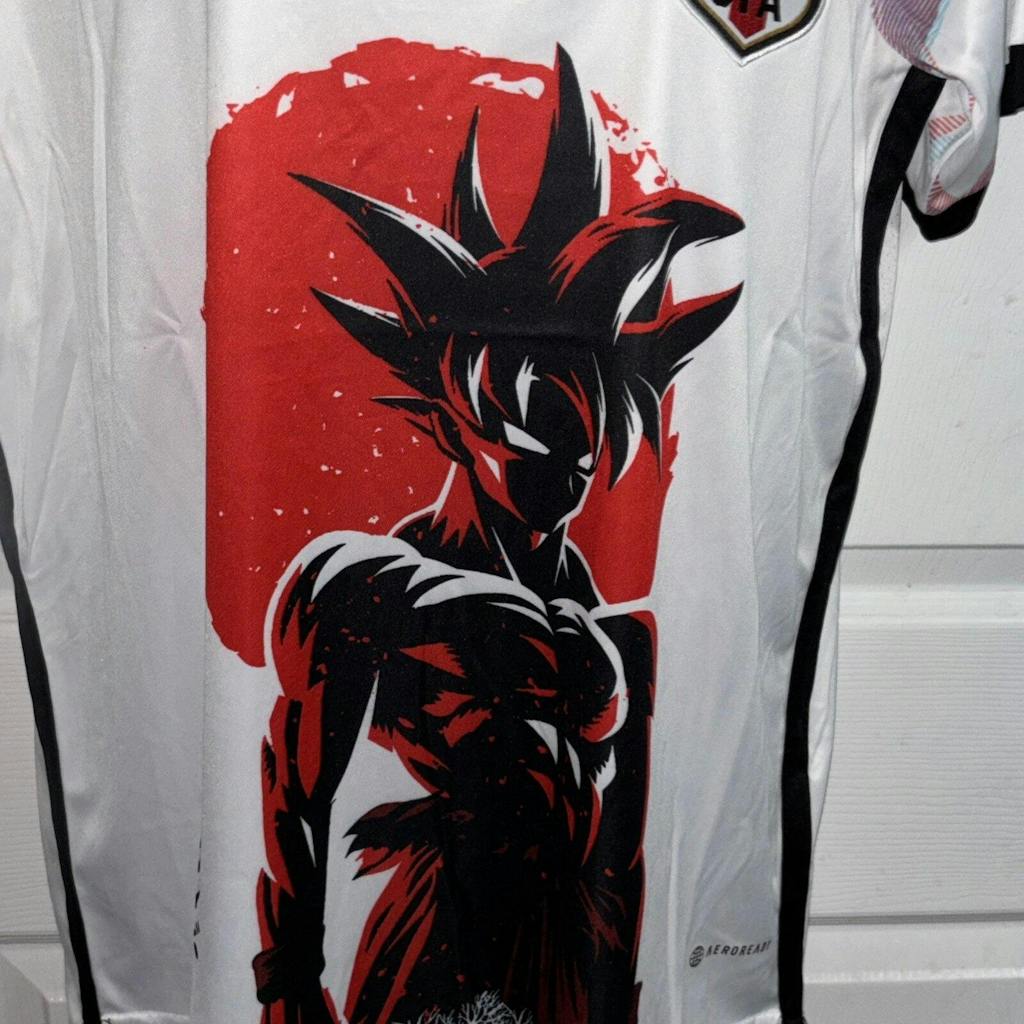
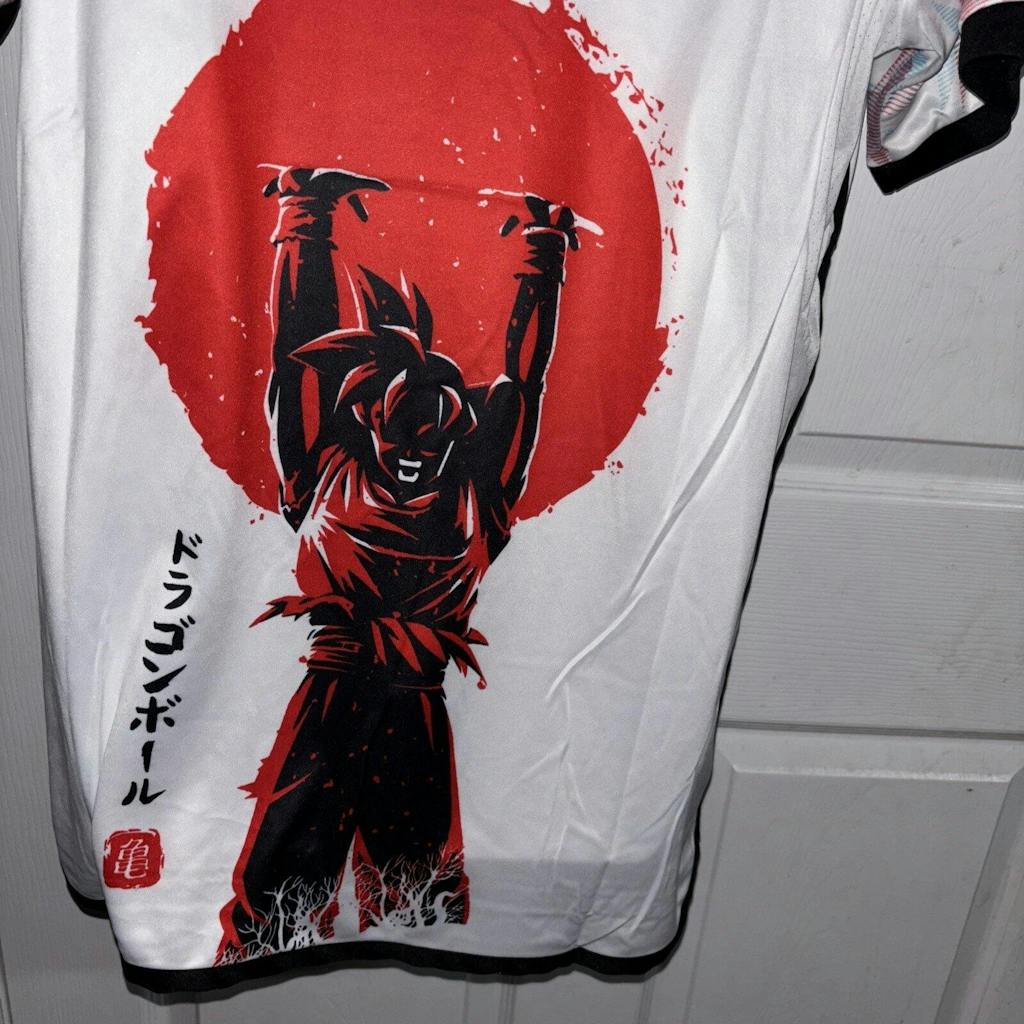
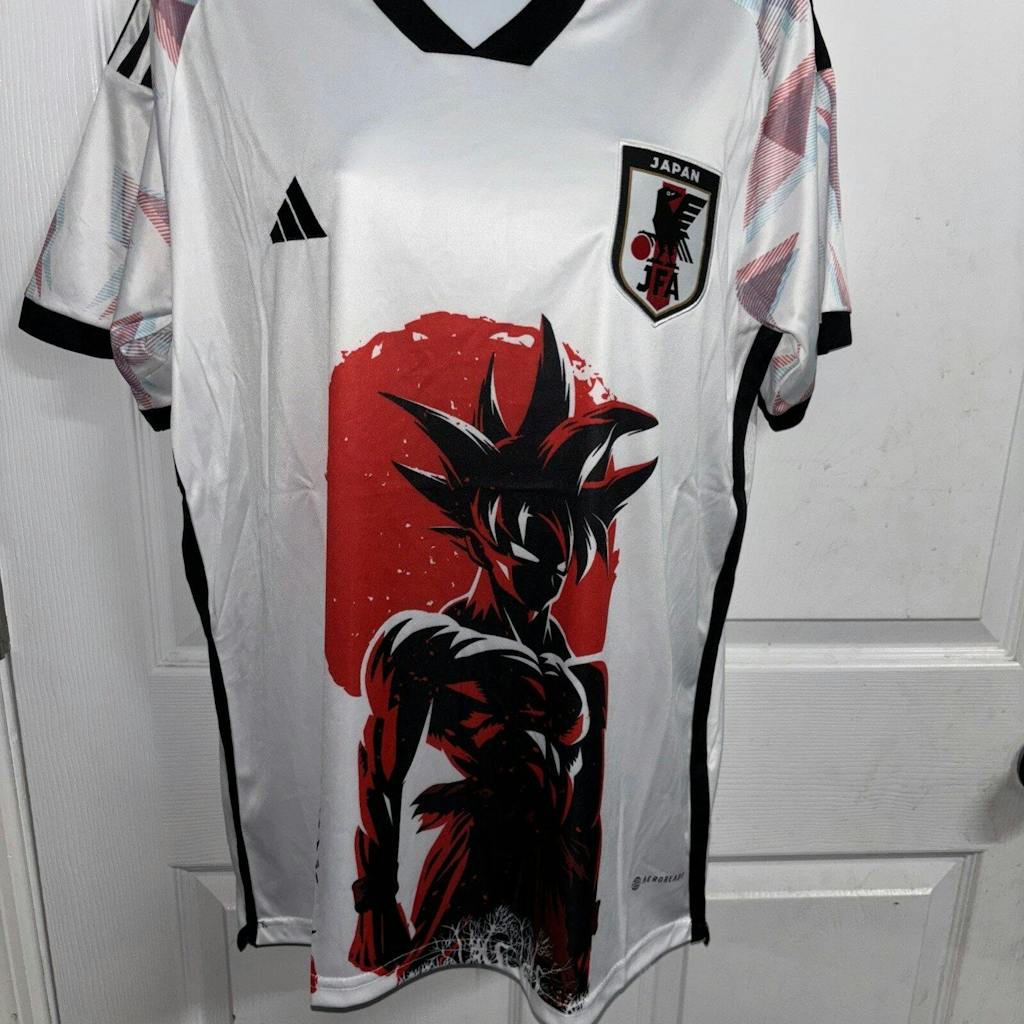
Anime is its own lane. A Japan anime jersey works when the design reads clean from a distance and the references hit up close. If you're nervous about wearing something loud, start with darker base colors and simpler front layouts—then let the details do the talking.
If you want to explore that anime lane properly, start with Japan anime jerseys and look for designs you'd still wear even if nobody recognized the reference.
Japan football shirt sizing: how does it fit compared to EU, UK, and US?
As a default rule, Japan sizing runs one full size smaller than EU/UK/US, so most people should size up one for a comfortable fit.
Japan football jerseys run one full size smaller than standard EU, UK, and US sizing. A Japan S maps to EU/UK/US M — not XS. Size up one as your default starting point, then adjust based on whether you want a clean fitted look or a relaxed streetwear fit.
| Japan size (JP) | UK / EU size | US size | Chest (cm) |
|---|---|---|---|
| S | M | M | 88–92 |
| M | L | L | 92–96 |
| L | XL | XL | 96–100 |
| XL | XXL | XXL | 100–104 |

Not sure about your measurements? Use the jersey size calculator before ordering.
Bottom line
- Pick the lane first: national team identity, retro collector energy, or Japan-first concept kits.
- Default to sizing up one from EU/UK/US, then adjust for stadium fit vs streetwear fit.
- Woven crests feel classic and durable; heat-applied details look sleek but demand gentler care.
- Home is the safest "one shirt" choice; away is the easiest daily wear; third is the statement pick.
- Buy the shirt you'll wear this month—not the one you only want in theory.
Where to explore Japan football shirts by style
If you want to browse by vibe instead of guessing from one product at a time, these are the clean starting points.

Everything in our Japan jerseys collection is filtered through one question: does it feel like Japan football culture, or does it just look like a random football top?
FAQ
Are "leaked" 2026 Japan shirts online reliable?
Usually not. Early images can be prototypes, edits, or pure guesswork, and details can change right up to official launches. If you're buying for 2026 vibes, focus on shirts with a look you'd still love even if the next official release surprises everyone. The safest move is to buy what fits your wardrobe today instead of chasing "confirmed" designs months early.
Can I customize a Japan jersey with a name and number later?
In most cases, yes—but it depends on the print type and how much space the design leaves on the back. Cleaner back panels are the easiest for name sets, while busier graphics can limit placement. If customization matters to you, decide that before ordering so you don't end up with a shirt that looks crowded or off-balance once numbers are added.
What's the safest way to order a Japan soccer jersey online?
Look for clear sizing guidance, real product photos, and visible store policies before you check out. A trustworthy shop doesn't hide shipping timelines or make returns impossible to understand. If you want the boring but important step, read the shipping policy once—then you'll know exactly what to expect after ordering.
Is a Japan anime jersey something you can wear outside anime events?
Absolutely, as long as the design reads like a football shirt first. The easiest everyday picks use a calm base color and keep the loudest references in the details—patterning, sleeve hits, small graphic cues. If you'd wear it even when nobody recognizes the reference, it'll work in real outfits, not just at conventions or watch parties.